
Nepal’s LDC Graduation Is Now Due in 2029: What Changed?
Nepal was once due to graduate from LDC status on November 24, 2026. The UN has extended the deadline to 2029. Here is what the change means for transition.

 Facebook
 WhatsApp
 X (Twitter)
 LinkedIn
 Telegram
 Reddit
 Threads
 Bluesky
 LINE
 Viber
 Pinterest
KATHMANDU — November 24, 2026 was the date originally set for Nepal to leave the United Nations’ least developed country category. That transition is no longer happening on the old timetable: Nepal LDC graduation is now scheduled for November 24, 2029.
The change was agreed in October. The UN’s current Nepal graduation-status page records the revised date and the process behind the extension. Older explainers that still give November 2026 should be read in that historical context.
Why was Nepal LDC graduation postponed?
Nepal requested an extension on May 15, 2026. Following a crisis assessment, the UN Committee for Development Policy concluded that additional preparation time would be appropriate if it was linked to a clear, time-bound plan to adjust and reprioritize the country’s smooth transition strategy.
After consideration by the Economic and Social Council in July, the General Assembly adopted the extension on October 29. Resolution A/RES/81/8 documents the decision. Three additional years of preparation do not amount to cancellation of the graduation process.
What does the LDC category measure?
The UN assessment looks at income, human assets, and economic and environmental vulnerability. It concerns structural development challenges, rather than a single year’s economic growth rate. The category is also distinct from income classifications used by other international institutions.
The UN’s graduation FAQ explains that meeting the relevant thresholds through successive reviews forms part of a wider assessment and decision-making process. Graduation recognizes progress while creating a need to prepare for changes in category-specific support.
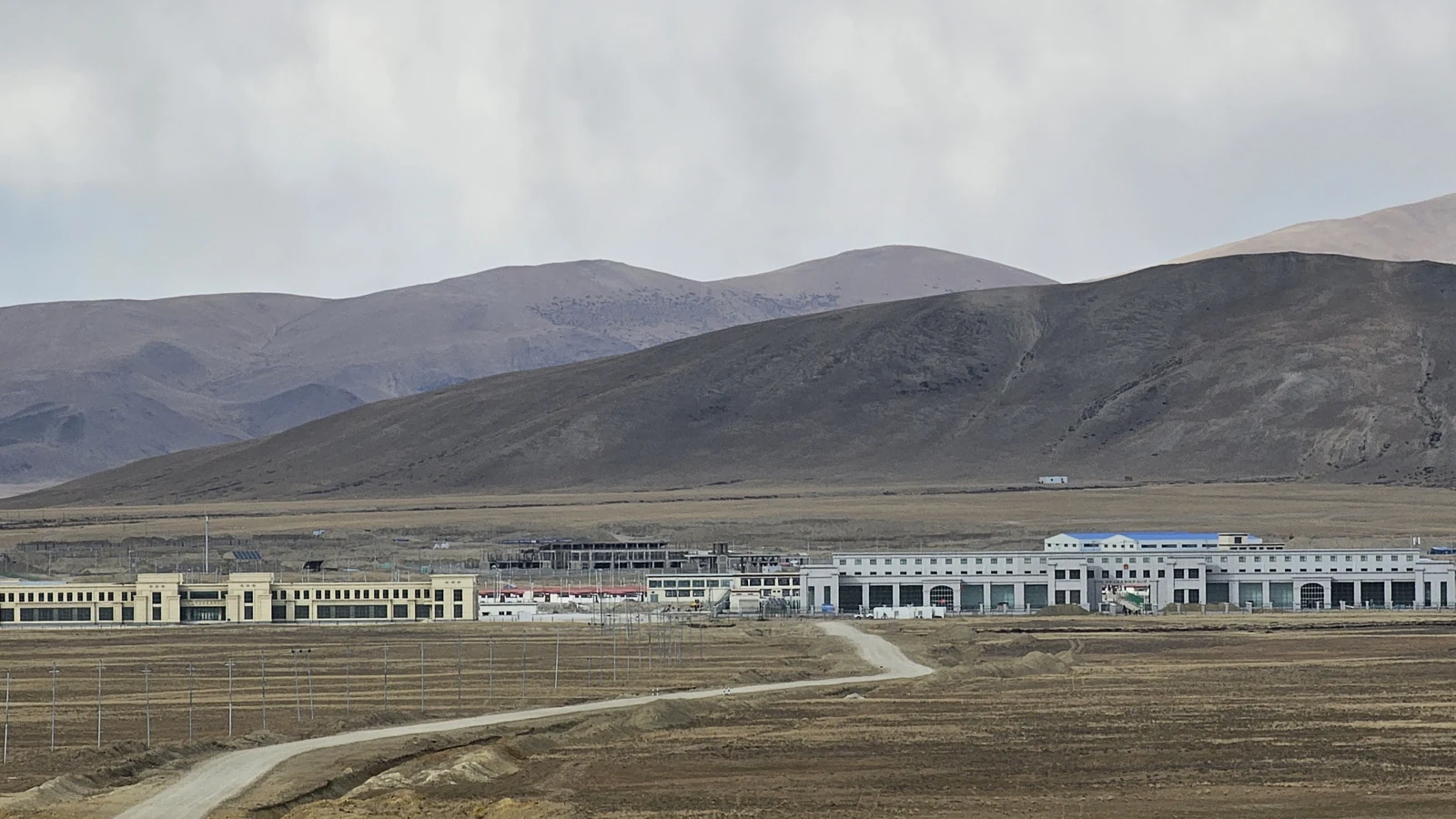
Korala Pass, Mustang, 30 March 2023. File photo illustrating trade infrastructure. Photo: Nabin K. Sapkota / Wikimedia Commons · CC BY-SA 4.0. Cropped and resized.

Does the extension settle every trade and aid question?
A single date does not determine every arrangement. LDC-specific trade preferences, support measures and transition provisions must be considered programme by programme and partner by partner. Graduation should not be described as an automatic end to all foreign aid, investment or international cooperation.
For businesses, the useful questions are which products and markets rely on LDC preferences, what transition periods apply, and what alternative arrangements will be available. An individual company’s exposure cannot be inferred from the national date alone.
What needs to happen before November 2029?
Nepal 360 analysis: The extra time will be most useful if it produces identifiable preparation: prioritized actions, published responsibilities, realistic costs and progress reporting. Export readiness, productive capacity and resilience to shocks provide more meaningful tests than changing a date in official documents.
Nepal remains scheduled to graduate. Its preparatory period now runs to November 24, 2029, and subsequent transition measures should be assessed against that revised timeline.
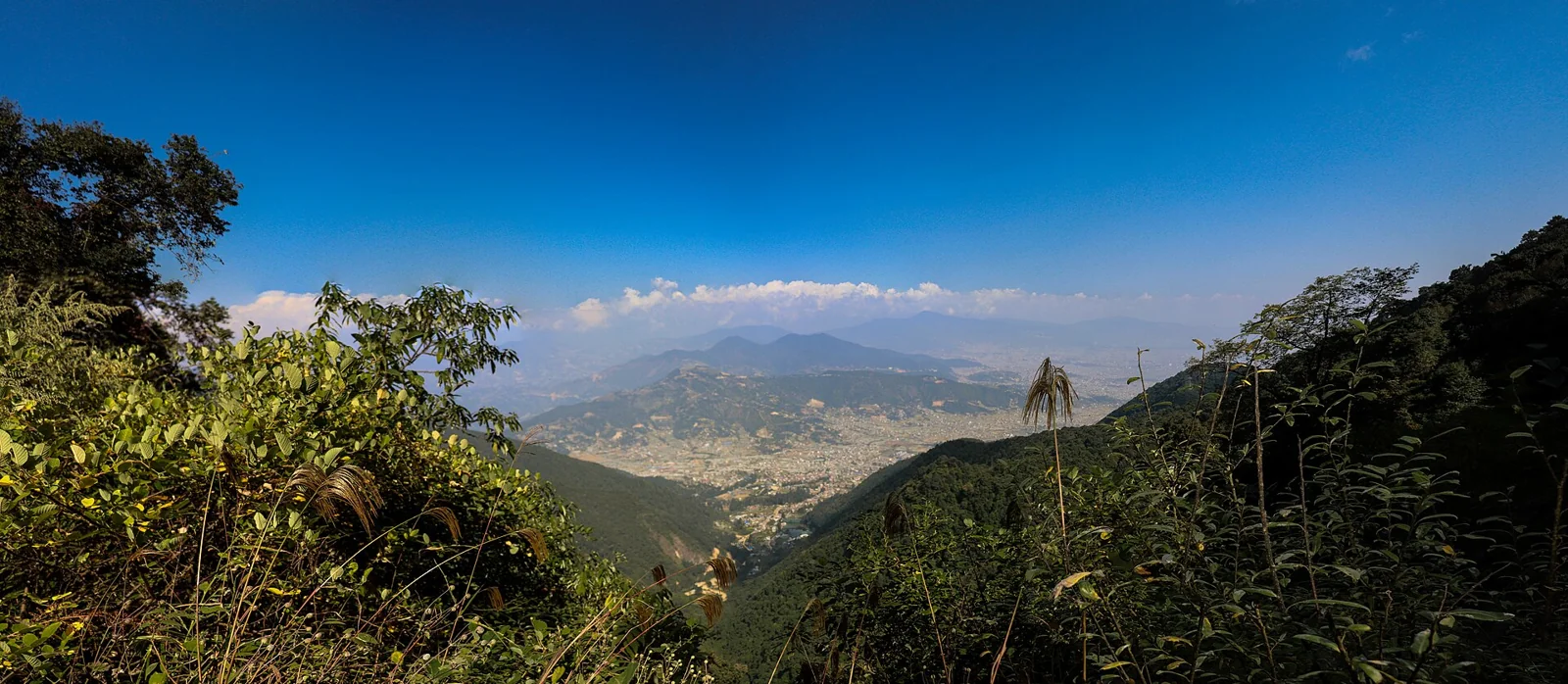
Featured photo: Kathmandu Valley from Chandragiri, 22 October 2018. File photo. Photo: Nabin K. Sapkota / Wikimedia Commons · CC BY-SA 4.0. Resized; composition unchanged.

How did this story make you feel?
The discussion
0Nepal’s LDC Graduation Is Now Due in 2029: What Changed?
Your perspective matters.
Sign in to share your thoughts and reply to other readers.
Reader perspectives
Newest firstStart the conversation
No comments yet. A thoughtful perspective can make this story go further.