
Nepal Tests Cell Broadcast Alerts: How the New System Works
Nepal tested a locally developed cell broadcast system on November 23. Learn how area-based phone alerts work and why the trial is not a nationwide rollout.

 Facebook
 WhatsApp
 X (Twitter)
 LinkedIn
 Telegram
 Reddit
 Threads
 Bluesky
 LINE
 Viber
 Pinterest
KATHMANDU — Nepal cell broadcast alerts moved a step closer to practical use after a locally developed system completed an initial technical test in Kathmandu on November 23. The trial is an early-stage milestone, rather than confirmation that every phone in the country can already receive these warnings.
Radio Nepal reported that the test was successful. Communications and home-affairs authorities, the National Disaster Risk Reduction and Management Authority, the Nepal Telecommunications Authority and Nepal Telecom were involved.
What happened during the test?
The trial used Nepal Telecom’s Balambu facility to reach phones in a selected area. ICT Frame’s account describes messages in Nepali and English, accompanied by a distinctive sound and vibration. Testing delivery and presentation under controlled conditions is different from issuing a warning about a real hazard.

Kathmandu Valley from Chandragiri, 22 October 2018. File photo. Photo: Nabin K. Sapkota / Wikimedia Commons · CC BY-SA 4.0. Resized; composition unchanged.

How Nepal cell broadcast alerts differ from SMS
The International Telecommunication Union’s guidance explains that cell broadcast distributes warnings to compatible phones in a defined area. It does not require an app or a subscription, and the broadcast itself does not require mobile internet.
Ordinary SMS addresses individual numbers. Cell broadcast instead targets an area through the mobile network, making it useful when the people present in a risk zone change over time. Its delivery method also reduces dependence on sending large numbers of separate messages.
That does not guarantee universal reception. Devices must support the service and be configured to accept alerts, while functioning network coverage remains important. People without compatible phones still need other warning channels.
Has nationwide service begun?
The initial trial should not be mistaken for a nationwide launch. Reporting describes further refinement followed by phased expansion into high-risk areas. The advance notice of the November 23 exercise concerned a limited test area.
People outside that area should not treat the absence of a trial message as proof that their phone is faulty. Coverage, supported handsets and further tests need to be explained as the programme develops.
What makes a warning useful?
Nepal 360 analysis: Speed is only part of the task. A useful alert needs a recognizable authority, a clear affected area and instructions people can act on. Radio, local officials and accessible public communication remain important alongside phones.
Cell broadcast distributes warnings; it does not itself predict earthquakes or verify floods. Its value depends on reliable hazard information and practical action after a message arrives.
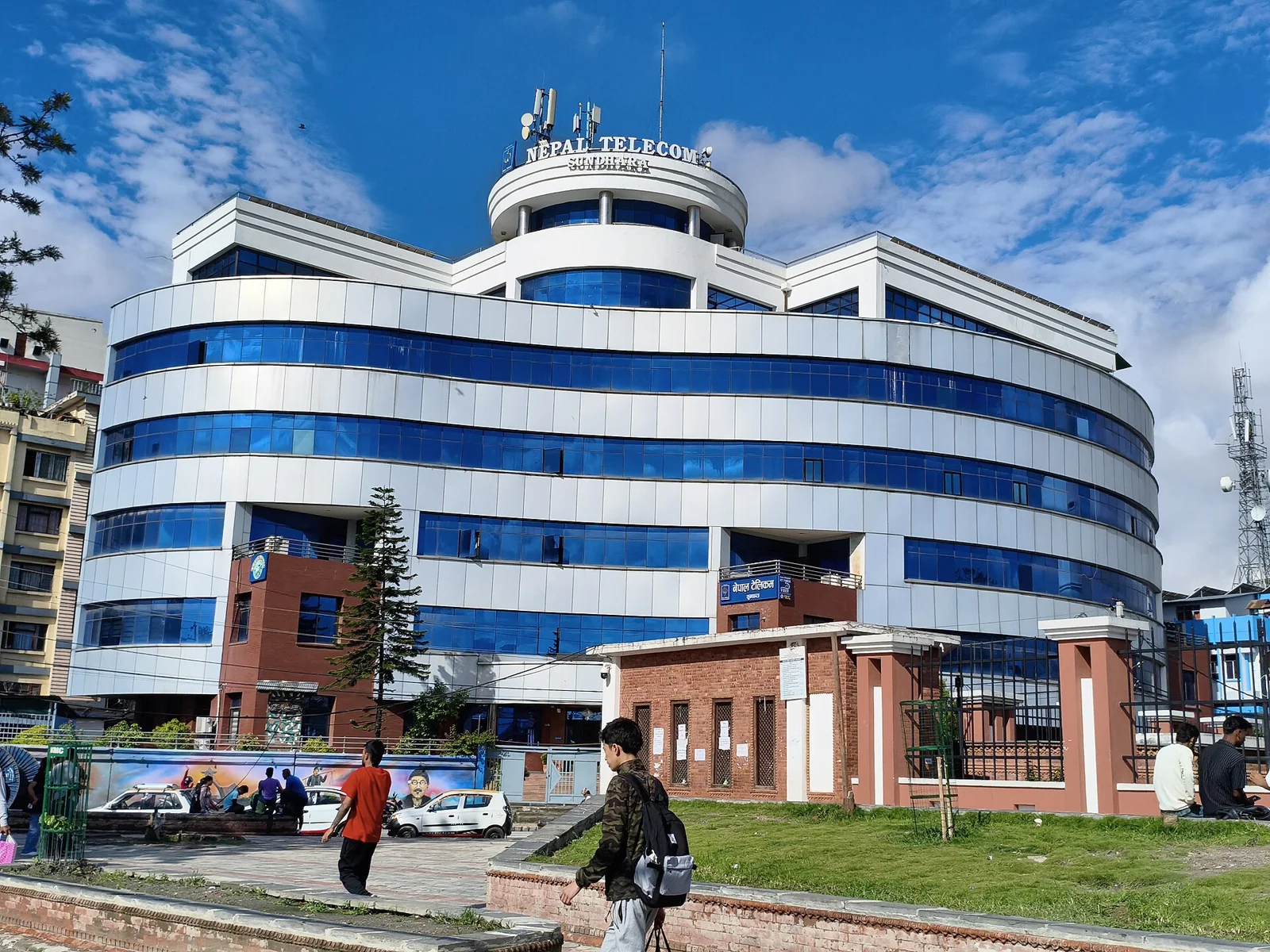
Featured photo: Nepal Telecom building, Sundhara, 25 June 2025. File photo; not the Balambu test site. Photo: Ganesh Paudel / Wikimedia Commons · CC BY-SA 4.0. Resized; composition unchanged.

How did this story make you feel?
The discussion
0Nepal Tests Cell Broadcast Alerts: How the New System Works
Your perspective matters.
Sign in to share your thoughts and reply to other readers.
Reader perspectives
Newest firstStart the conversation
No comments yet. A thoughtful perspective can make this story go further.