
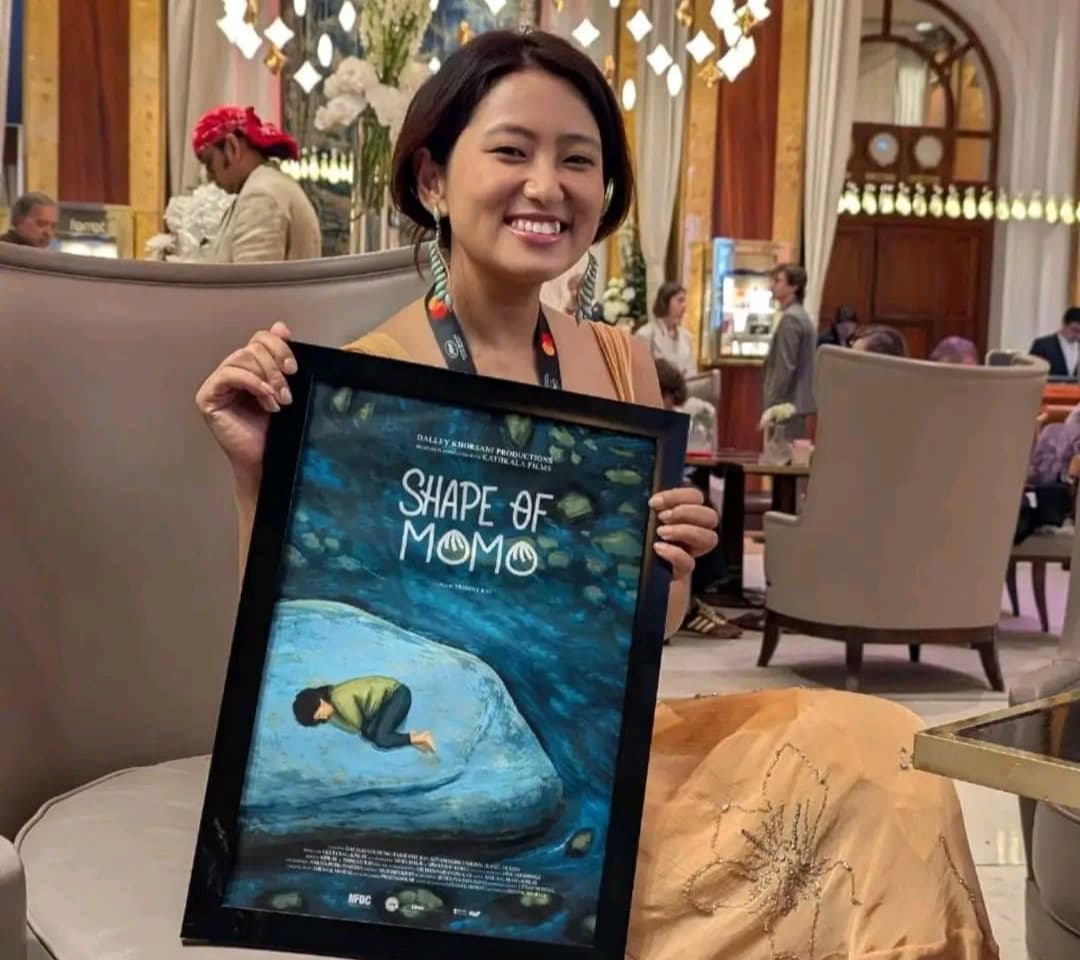
When the lights dimmed and the curtains rose at the Cannes Film Festival, a wave of pride swept across the Eastern Himalayas. Gaumaya Gurung, a passionate filmmaker from Sikkim, stepped into the international spotlight with her latest creation – a stunning Nepali-language film titled “Shape of Momo.”
More than just a film, Shape of Momo is a cultural experience. It weaves local stories, deep emotions, and the flavors of Sikkim into a cinematic journey that resonated with global audiences. This historic moment placed both Sikkimese and Nepali cinema on the world map like never before.
The Power Behind the Film
Gaumaya Gurung, known for her creative spirit and commitment to telling indigenous stories, poured her heart into Shape of Momo. Inspired by her roots and the untold tales of her people, she set out to create a film that would represent Sikkim authentically – from its landscape and language to its food and family values.
The title itself – Shape of Momo – captures attention instantly. A momo, a type of dumpling loved across the Himalayan belt, becomes a powerful symbol in the film. It’s not just food, but a metaphor for identity, community, and transformation. As the story unfolds, viewers witness how something so simple can carry so much emotional and cultural weight.
A Story That Travels Beyond Borders
At Cannes, surrounded by international filmmakers, critics, and cinema lovers, Shape of Momo stood out. It wasn’t a film filled with fancy effects or dramatic twists. Instead, it delivered something rarer – authenticity.
The narrative follows the life of a young girl from a remote Sikkimese village. Her world revolves around her family’s momo stall, which becomes a gathering point for stories, dreams, and silent struggles. The film gently explores topics like migration, generational conflict, cultural preservation, and feminine resilience, all through the lens of everyday life.
Through beautiful visuals and natural performances, the film brings to life rural Sikkim – the misty hills, bustling village lanes, and intimate kitchen spaces where momos are made with love. The film’s poetic approach reminds the audience that even small stories from small places matter greatly.
Representing a Region Long Overlooked
Sikkim, despite its cultural richness, has long been absent from mainstream cinema discussions. That’s why Gurung’s selection at Cannes became such a landmark event. For the first time, a film in the Sikkimese Nepali language took center stage at one of the world’s biggest film platforms.
The recognition is not just about cinema – it’s a celebration of language, traditions, and people who often remain invisible in global media. Gurung’s film helps push forward the idea that diverse voices from the Eastern Himalayas deserve attention and respect.
Her moment on the red carpet wasn’t just hers – it belonged to every aspiring filmmaker from the region who dreams of sharing their voice with the world.
A Milestone for Nepali Cinema
Although the film is Sikkimese, its language and cultural context deeply connect with the wider Nepali-speaking community. This shared heritage allowed Shape of Momo to resonate with people beyond India, including those from Nepal, Bhutan, and the Nepali diaspora.
The film’s success is a testament to how language and storytelling cross borders. It also signals a hopeful future for Nepali-language films, encouraging producers, writers, and directors to invest more in regional stories that reflect real lives rather than commercial clichés.
Global Applause and Cultural Appreciation
Critics at Cannes praised Shape of Momo for its sensitivity and soul. The film was noted for its careful attention to detail, from costume design to sound. The use of native dialects, traditional music, and locally inspired visuals helped the film create a unique, immersive world.
Audiences were moved by its sincerity. Many said the film made them curious about Sikkimese culture, inspiring interest in the Himalayan region’s arts, food, and history.
By using local culture as the heart of her storytelling, Gaumaya Gurung opened a window for the world to peek into the lesser-seen world of Sikkimese life, especially through the symbolic and emotional shape of the momo.

Comments
0