
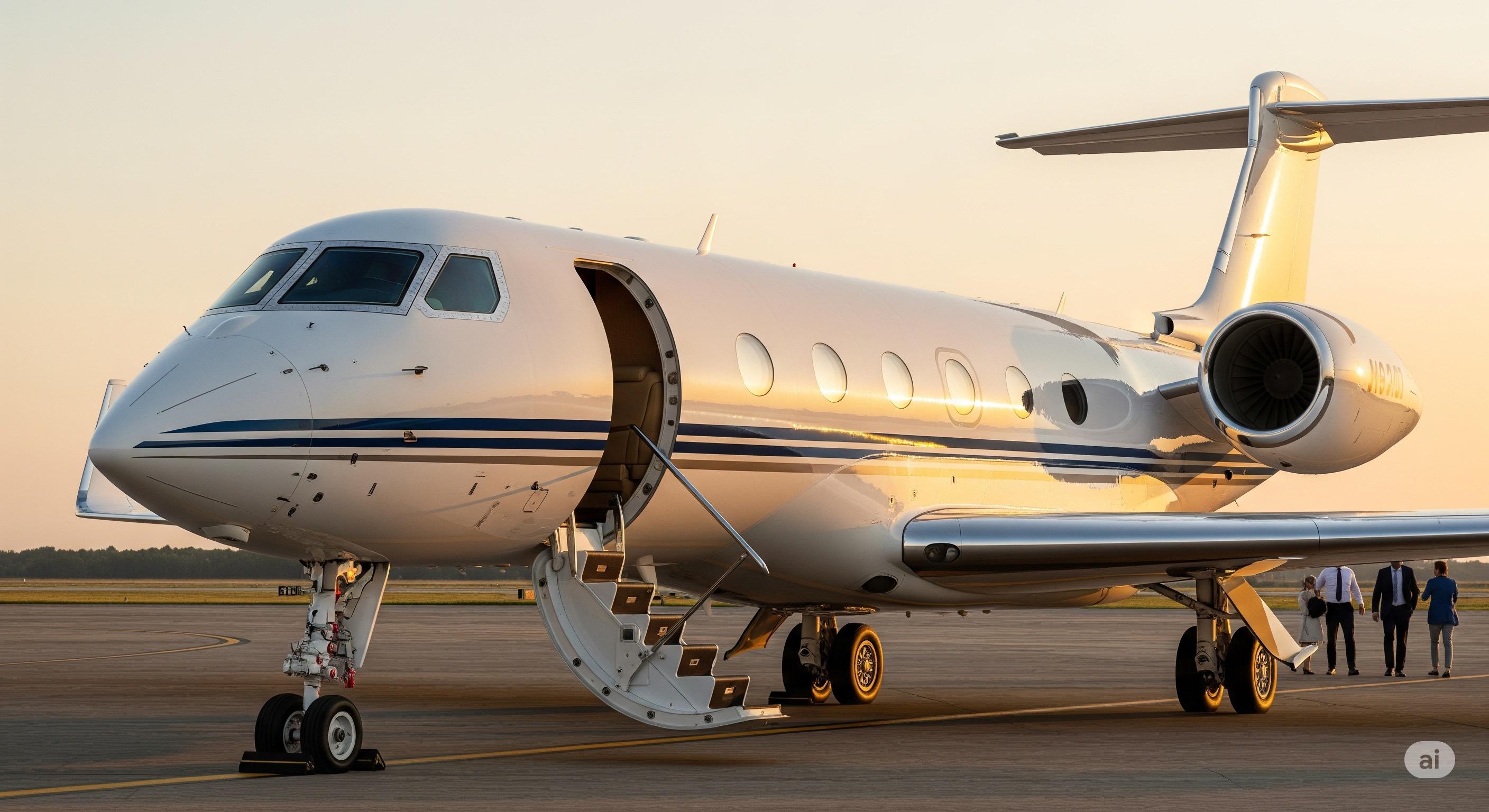
Owning a private plane in Nepal was once a distant dream. But now, that dream is on the verge of becoming a reality. For the first time in history, the Government of Nepal is preparing to allow individuals and organizations to own and operate private aircraft for personal use. This is a major shift in the country’s aviation sector, made possible through the newly drafted National Aviation Policy 2082, prepared by the Ministry of Culture, Tourism, and Civil Aviation.
The Ministry has released the draft policy for public discussion, opening the door for feedback and recommendations before it's finalized. This progressive step is expected to modernize Nepal's aviation sector, offer new business opportunities, and improve air connectivity within the country.
What’s in the New Aviation Policy 2082?
The most talked-about point in the new policy is the permission for private individuals or institutions to own aircraft for personal use. Until now, aircraft operations in Nepal were limited to commercial airlines and government use. But now, citizens with proper licenses and clearance will be able to purchase and fly their private jets or helicopters.
Here are the key highlights of the draft:
- Private Plane Ownership:
For the first time, private aircraft ownership is being considered legal. Individuals or private firms can own aircraft for non-commercial purposes, such as personal travel or company operations. - Simplified Regulations:
The draft mentions setting up clear guidelines and procedures for private aviation licensing, flight safety, and aircraft maintenance, making the process more transparent and user-friendly. - Improved Infrastructure:
To support this new step, the government is planning to upgrade and build more domestic airstrips and improve hangar facilities for private planes and helicopters. - Safety & Training Measures:
Strict aviation safety protocols, pilot licensing rules, and training programs will be implemented to ensure private flights remain secure and well-regulated. - Tourism Boost:
The government expects this step to boost luxury tourism and attract high-net-worth individuals who may want to explore Nepal from the sky. - What Does This Mean for Nepali Citizens?
This new policy means you no longer need to be a commercial airline to fly a plane in Nepal. If you are financially capable and follow the safety and technical requirements, you can own and operate a private jet or helicopter for your own personal or business needs.
Let’s break it down simply:
- You apply for permission under the guidelines of the Civil Aviation Authority.
- You complete the required training and licensing procedures.
- You buy or import an aircraft legally.
- You store and maintain your aircraft in authorized facilities.
- You fly within allowed zones following aviation rules.
A New Era for Air Travel in Nepal
Nepal’s unique geography makes air travel essential, especially in remote and mountainous regions. By allowing private ownership of planes, the government is empowering citizens and businesses to create faster and more reliable connections between cities, villages, and tourism hubs.
This decision could help in:
- Emergency medical flights in remote areas
- Business travel efficiency for corporate leaders
- Exploration and tourism in hard-to-reach places
- Agricultural and environmental monitoring from the air
What Inspired the Policy Change?
Over the years, many Nepali citizens working abroad or involved in international business have expressed interest in investing in aviation. In response to this growing demand, and recognizing global aviation trends, the government decided to liberalize private aviation.
Additionally, the COVID-19 pandemic highlighted the importance of private transportation and the need for flexible travel options—both of which have been considered during the drafting of this new policy.
Public Reaction and Next Steps
The policy is still in the draft stage, and the Ministry has invited feedback from the public and experts. Aviation enthusiasts, investors, and the general public can suggest improvements or express concerns before the policy is finalized.
Many Nepalis have welcomed the announcement, calling it a long-overdue modernization of the aviation sector. However, some have raised concerns about air safety, pollution, and infrastructure readiness, which the government says will be carefully addressed in the final version of the policy.
Potential Challenges Ahead
While the idea is exciting, a few challenges still exist:
- High cost of aircraft purchase and maintenance
- Limited airport space and air traffic infrastructure
- Need for highly trained pilots and technical experts
- Strict enforcement of safety and operational regulations
The government will need to work closely with stakeholders to build a system that is safe, fair, and efficient, making private aviation both accessible and reliable.
Comments
0