
Parliament Moves Forward Amid Protests by RSP and RPP
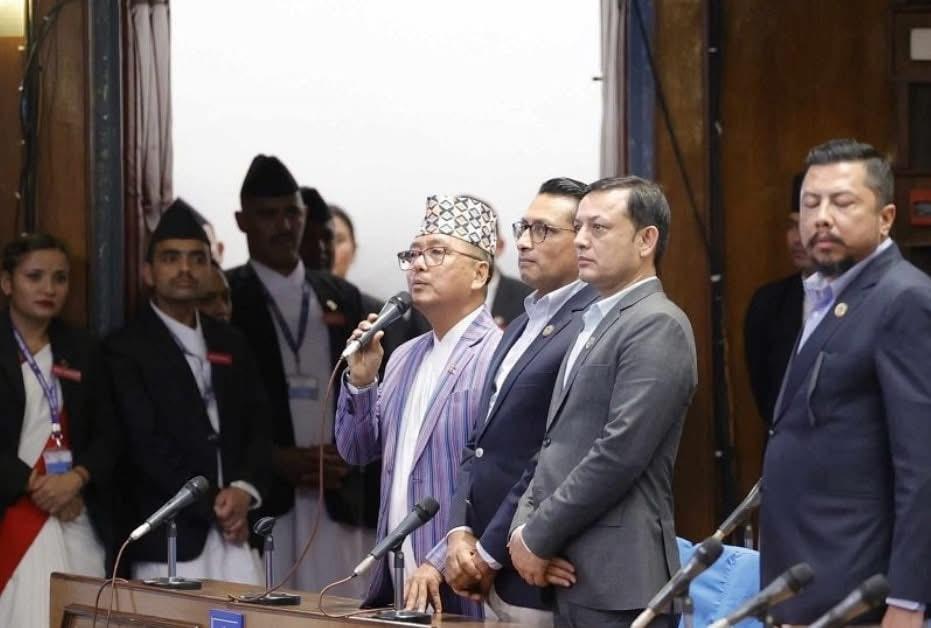
Clamor filled the parliament chamber on Wednesday as members of the National Independent Party (Rastriya Swatantra Party or RSP) and the National Democratic Party (Rastriya Prajatantra Party or RPP) protested against proceeding with the meeting. They demanded that their issues be addressed first. But Speaker Devraj Ghimire remained firm and decided to move forward with the scheduled agenda, ignoring the disruption.
This incident highlights growing tensions in Nepal’s parliament. The opposition parties, RSP and RPP, have raised a range of issues in the last few days, putting pressure on the ruling parties to listen to their demands. The Speaker's decision to continue the meeting amid the chaos shows a deep division in parliament a division that reflects a larger political battle playing out in the country's politics.
Why RSP and RPP protested
The main reason for the protest was the opposition’s dissatisfaction with the government’s approach to certain key issues. The RSP and RPP demanded a proper platform to voice their concerns and wanted the Speaker to halt the meeting temporarily. They insisted that their points be addressed first and demanded a clear explanation from the ruling side.
Some lawmakers from the opposition alleged that the Speaker was ignoring their pleas and instead was siding with the ruling parties. According to them, this move disregards the role of opposition in a parliamentary democracy and weakens the principle of dialogue and constructive opposition.
Speaker Devraj Ghimire’s role
Speaker Devraj Ghimire remained firm in his decision to move forward with the meeting’s agenda. He insisted that parliamentary procedures must be followed and that disruptions should not undermine the legislative process. His view was that the parliament must do its duty and pass necessary legislation and policies for the country’s progress.
Ghimire called on all lawmakers to respect the procedures and allow the meeting to progress. His ruling was not well received by opposition members, who continued their protest by shouting slogans and interrupting the Speaker’s delivery.
Rising political tensions
The incident underscores growing political tensions in Nepal’s parliament. The ruling and opposition parties are frequently at odds over policy decisions and procedural issues. The opposition feels that their voice is not adequately heard, while the ruling side argues it has a majority and the procedural power to move forward.
This dispute reflects a deeper polarization in Nepal’s politics. There are questions about whether the parliament can effectively carry out its legislative responsibilities when opposition members repeatedly interrupt its sessions. Citizens are worried that this may undermine the ability of their representatives to resolve pressing issues.
Impact on the legislative process
Such disruptions affect the legislative process and policymaking in the country. Important bills and policy decisions can be delayed when opposition members block the normal workings of parliament. At a time when Nepal is trying to implement reforms and deal with economic and political problems, this kind of upheaval makes it hard for lawmakers to perform their duties.
Some political analysts say this signals a weakening of parliamentary culture in Nepal. They warn that if opposition parties continue to interrupt sessions and ruling parties respond by ignoring their concerns, it could undermine the institution of parliament itself. A healthy democracy depends on constructive opposition and dialogue, not chaos and division.
Public reaction to the incident
Some members of the public are frustrated by these disputes. They say parliament should be a place for constructive debate and policy making, not for disruption and political grandstanding. Citizens want their lawmakers to focus on solving problems — from growing inflation and unemployment to education and health care — instead of engaging in procedural battles.
Meanwhile, supporters of opposition parties view their lawmakers’ actions as a brave stand against unfair treatment and a way to make sure all voices are represented in parliament. They appreciate their persistence in trying to bring forward their agendas and addressing their constituents’ concerns.
Possible future implications
This incident may affect future parliamentary sessions and political relationships in Nepal. The opposition may harden its position and find it more difficult to collaborate with the ruling parties on key policy decisions. If the Speaker and ruling parties continue to ignore opposition demands, it could undermine political stability and policy progress.
Some lawmakers say a constructive dialogue is needed to resolve disputes and find a way forward. They propose that the ruling and opposition parties form a committee to discuss their differences and find a middle ground. Without such dialogue, parliament may become increasingly divided, making it hard to pass legislation that benefits the people.
Looking forward
As Nepal's parliament moves forward under Speaker Devraj Ghimire’s leadership, all eyes will be on how the ruling and opposition parties resolve their disputes. Will the opposition continue their protest, or will there be a compromise?
The future of the parliament depends on lawmakers’ ability to put aside their differences and work together for the country's development. Citizens are eager to see their representatives pass laws and implement policies that improve their daily lives, and not be bogged down by political disputes.

Comments
0