
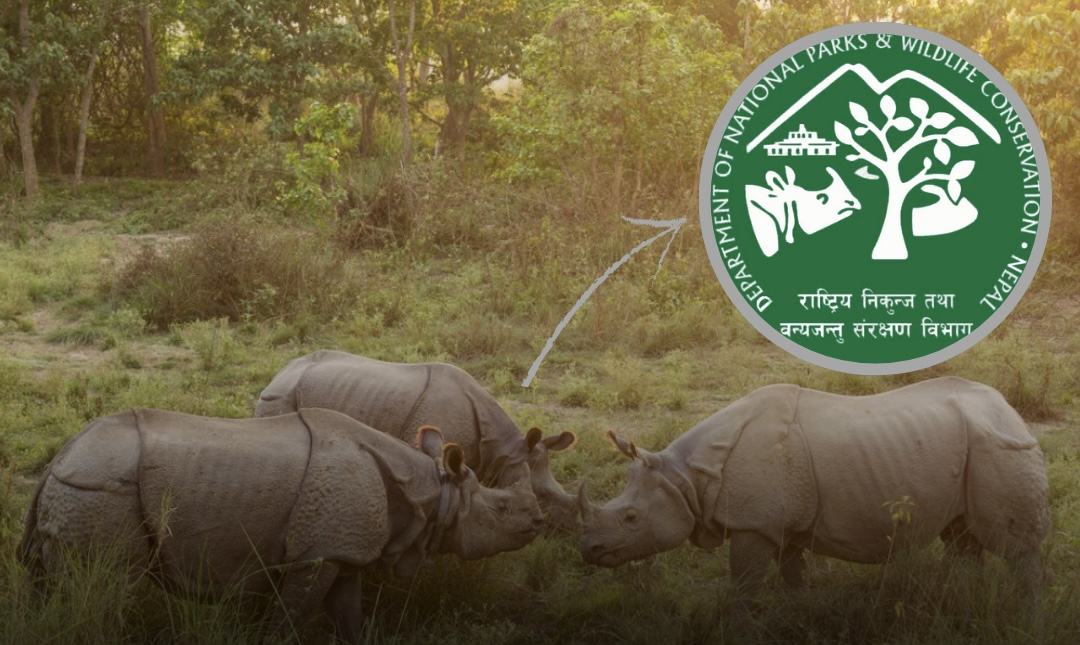
The cancellation of Nepal’s rhino census due to insufficient funding raises serious concerns about the future of rhino conservation in the country. The rhino population census, which is conducted every five years, is crucial for tracking population trends, assessing conservation efforts, and implementing strategies to combat poaching and habitat loss. The Nepali government’s failure to allocate funds, coupled with the lack of donor support, has resulted in the indefinite postponement of the 2025 rhino census. This funding gap threatens the long-term survival of the Greater One-Horned Rhinoceros (Rhinoceros unicornis) in Nepal.
Why is the Rhino Census Important?
The rhino census provides critical data on population growth, health status, and threats facing rhinos in Nepal. Without this data, conservationists, park officials, and policymakers lack the necessary information to make informed decisions regarding rhino protection.
Key Reasons for Conducting the Rhino Census:
Monitoring Population Trends: The last rhino census in 2021 recorded 752 rhinos, with the majority (694) residing in Chitwan National Park. A census helps determine whether the population is increasing or declining.
Assessing Conservation Efforts: Nepal has been recognized for its successful anti-poaching initiatives, but without fresh data, it is difficult to measure their impact.
Identifying Emerging Threats: Poaching, human-wildlife conflict, habitat destruction, and climate change all pose significant threats to rhinos. The census helps identify vulnerable areas and populations.
Ensuring International Support: Accurate data helps Nepal secure international funding and technical assistance for rhino conservation.
The Impact of the Census Cancellation
The decision to cancel the rhino census will have severe repercussions for Nepal’s conservation efforts. Without updated data, authorities will struggle to:
Monitor Population Health: Disease outbreaks or declining birth rates may go unnoticed.
Combat Poaching Effectively: Poachers often exploit weaknesses in conservation programs. Without precise population data, tracking illegal activities becomes challenging.
Protect Rhino Habitats: Encroachment and land-use changes could go unchecked, further endangering rhino populations.
Government’s Response and Alternative Monitoring Methods
Although the official rhino census has been halted, authorities have announced plans to monitor individual rhinos through park outposts. This method involves identifying unique features of rhinos, such as horn shape, ear notches, and skin patterns, to keep a record of known individuals.
Challenges of This Alternative Approach
Less Accurate Population Estimates: Unlike a full-scale census, monitoring through outposts cannot provide precise numbers of rhinos in the wild.
Limited Geographic Coverage: Remote areas with rhino populations may not be adequately surveyed.
Inconsistent Data Collection: Without standardized census protocols, monitoring may vary across different parks and conservation areas.
Funding Issues: Why Did the Census Get Canceled?
The cancellation of Nepal’s rhino census highlights the growing financial constraints in the conservation sector. Several key factors contributed to the funding shortfall:
1. Lack of Government Budget Allocation
The Nepali government failed to earmark sufficient funds for the census, prioritizing other national expenditures. This reflects broader challenges in securing long-term financial commitments for conservation.
2. Decline in International Donor Support
In previous years, organizations such as the WWF, National Trust for Nature Conservation (NTNC), and the Zoological Society of London (ZSL) have provided funding. However, global economic challenges and shifting priorities have reduced financial assistance.
3. Rising Costs of Conservation Programs
The cost of conducting a full-scale rhino census is significant, covering:
Survey Equipment: Drones, GPS trackers, and monitoring tools.
Field Staff Salaries: Rangers and research teams.
Logistics and Transportation: Ensuring access to remote areas.
Veterinary Support: Assessing rhino health during the census.
Poaching Threats and Habitat Destruction
Without regular population assessments, the risk of poaching and habitat destruction increases. Nepal has made remarkable progress in curbing poaching, even celebrating zero-poaching years in the past. However, the cancellation of the census raises concerns that illegal hunting could rise again.
Major Threats to Nepal’s Rhinos
1. Poaching for Rhino Horns
Despite Nepal’s strict anti-poaching laws, the global demand for rhino horns remains a persistent threat. Criminal syndicates target rhinos for their horns, which are illegally sold in black markets, particularly in China and Vietnam.
2. Habitat Loss Due to Human Encroachment
Urban expansion, agricultural development, and infrastructure projects continue to shrink rhino habitats. Forest fragmentation reduces breeding opportunities and increases the likelihood of human-wildlife conflict.
3. Climate Change and Flooding
Climate change has led to erratic weather patterns, increasing flooding in national parks where rhinos reside. The 2017 floods in Chitwan National Park resulted in the deaths of several rhinos, highlighting the vulnerability of their habitat.
What Needs to Be Done?
To address the challenges caused by the cancellation of the rhino census, several urgent actions must be taken:
1. Securing Emergency Funding
The government must prioritize alternative funding sources, including:
Public-Private Partnerships: Engaging corporations in conservation efforts.
Crowdfunding and Global Donations: Raising awareness and funding through online campaigns.
Increased Government Commitment: Allocating a dedicated conservation budget.
2. Strengthening Anti-Poaching Measures
Nepal’s successful anti-poaching strategies must continue, including:
Enhanced Border Security: Strengthening surveillance at wildlife trafficking routes.
Community Involvement: Encouraging locals to report suspicious activities.
Technology Integration: Using drones and AI-based monitoring to detect poachers.
3. Implementing Alternative Monitoring Systems
If a full-scale census is not possible, conservation authorities must:
Expand Camera Trap Networks: To capture real-time rhino movements.
Increase Ground Patrols: Ensuring every rhino sighting is recorded and analyzed.
Develop a Rhino Database: Centralized data on known rhinos, updated regularly.
The cancellation of Nepal’s rhino census is a serious setback that could undermine decades of successful conservation efforts. Without reliable population data, authorities will struggle to protect these iconic animals from poaching, habitat loss, and climate change. The Nepali government, conservation groups, and international stakeholders must take immediate action to secure funding, strengthen monitoring efforts, and ensure the long-term survival of Nepal’s rhinos.

Comments
0