
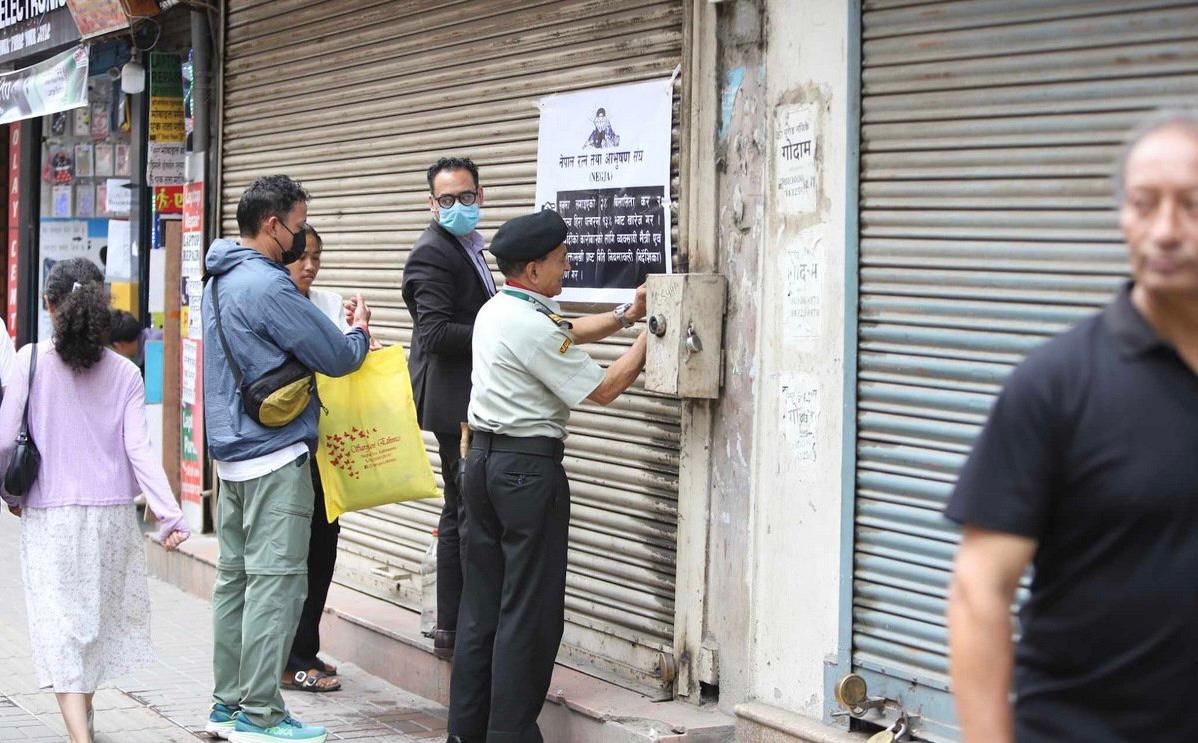
Nepal’s Gold and Silver Shops Shut in Protest????
Golden bangles, silver necklaces, sparkling rings—today, they’re all hidden behind closed shutters. In a powerful show of unity, gold and silver dealers across Nepal shut down their shops and halted business to protest the government's newly announced budget. This sudden move has caught the attention of the entire nation.
The protest is being led by the Nepal Gold and Silver Dealers’ Association (NEGOSIDA), supported by various business groups from the jewelry sector. They are voicing strong opposition to two key tax hikes: a 2% luxury tax on gold and a 13% value-added tax (VAT) on diamonds introduced in the new fiscal budget.
Jewelry traders argue that these taxes are not only unfair but also damaging to a centuries-old profession. According to them, the new financial plan threatens their livelihoods, customers' trust, and the survival of traditional Nepali craftsmanship.
Why Are Gold and Silver Shops Closed?
The closure is not a regular holiday. It's a coordinated move by traders to make their voices heard. All across major cities like Kathmandu, Pokhara, Biratnagar, Nepalgunj, and Bhairahawa, shopkeepers have locked their doors. Protest banners hang outside stores, calling for immediate government intervention.
This protest is not just about tax numbers. It’s about what those numbers mean for local businesses. According to NEGOSIDA, the recent budget has made it more difficult for small and medium-sized jewelry shops to survive.
The Main Issues Behind the Protest
Here’s a simple breakdown of what the jewelry dealers are upset about:
- 2% Luxury Tax on Gold:
This is a new tax introduced on gold purchases. Traders say this makes gold more expensive for customers and reduces overall sales. For many Nepali families, gold is not just a luxury but a part of tradition—used in weddings, festivals, and religious ceremonies. - 13% VAT on Diamonds:
Diamonds, mostly imported for high-end designs and bridal jewelry, now have a much higher cost due to the VAT. This makes diamond jewelry unaffordable for many and could push buyers toward unregulated or foreign markets. - High Customs Duty:
Currently, gold carries a customs duty of 15%, which traders claim is among the highest in South Asia. They are demanding that this be lowered to 6% to make legal trade more competitive and discourage smuggling. - Lack of Business-Friendly Policies:
Beyond taxes, the traders are asking for long-term support from the government. They believe the jewelry industry is being ignored in budget planning, despite being a major contributor to the local economy and employment.
Traditional Craftsmanship at Risk
Nepal’s jewelry is famous for its intricate handmade designs, passed down through generations. From Newari goldsmiths in Patan to traditional silversmiths in the hills, thousands of artisans rely on this trade.
With increased taxes, many small family-run businesses say they cannot continue. Rising prices are driving customers away, and profits are shrinking. If policies don’t support these artisans, their skills could disappear—taking with them a piece of Nepal’s cultural identity.
A spokesperson from NEGOSIDA shared,
“We are not against paying taxes, but the new structure is unreasonable. It will destroy the market and push traders towards illegal routes. We want the government to listen before it’s too late.”
What Traders Want
During the protest, the dealers presented a clear list of demands:
- Reduce gold customs duty to 6%
- Withdraw the 2% luxury tax on gold
- Remove the 13% VAT on diamonds
- Implement business-friendly policies
- Recognize jewelry as a traditional and cultural industry
They believe that these steps will not only revive the legal jewelry market but also reduce smuggling and black-market trade, which has reportedly increased due to high import costs.
The Bigger Picture
Nepal’s jewelry market isn’t just about business; it’s deeply linked to family traditions, religious practices, and cultural values. When the price of gold goes up due to tax hikes, it affects every household planning a wedding, every artist designing jewelry, and every small trader trying to survive.
Currently, the government has not responded publicly to the protest. But the nationwide shutdown has made it clear that the jewelry community is united, determined, and ready to fight for fair treatment.
Many customers were surprised today when they found their local gold shops closed without notice. Some expressed support, saying they, too, are feeling the pressure of rising prices.
Social media is buzzing with hashtags like #GoldProtestNepal and #SupportLocalJewelry, as citizens share their thoughts and frustrations.
What's Next?
Though this is a peaceful protest for now, traders warn that they may take stronger steps if their demands are not addressed. They have urged the Finance Ministry to invite them for discussions and consider practical solutions that support both the economy and traditional artisans.
Whether the government adjusts its budget or stands firm remains to be seen. But today, the locked doors and silent gold counters speak louder than words.
Nepal’s gold and silver dealers are not just protesting taxes—they are standing up for their history, their craft, and their future.
Comments
0