
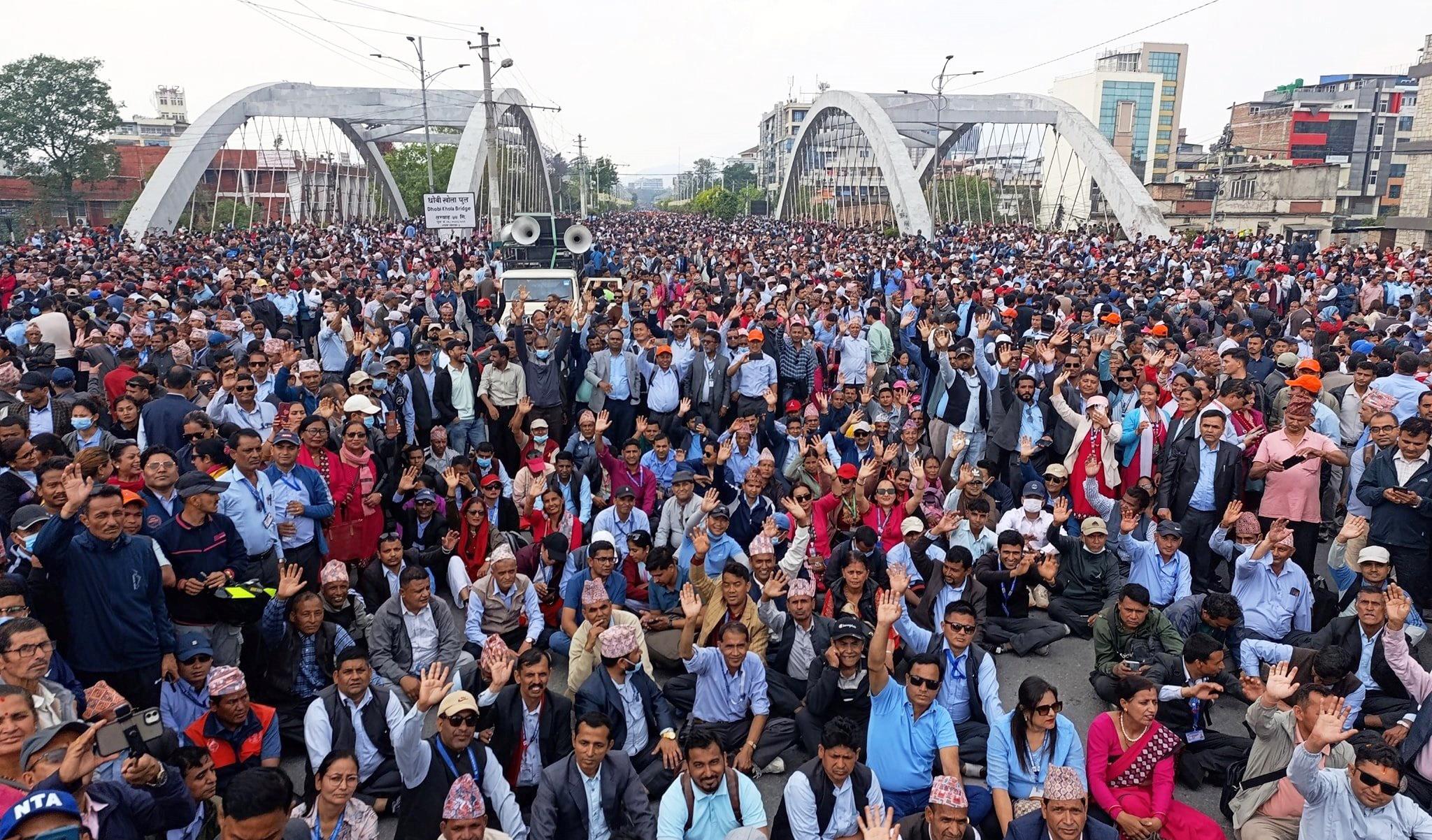
Kathmandu, June 30, 2025 – Teachers in Nepal are upset because the government promised to pass an important law called the Education Bill by Asar 15 (June 29, 2025), but nothing has happened yet. The Nepal Teachers’ Federation, a group that speaks for teachers across the country, is now warning that they will start protests again if the government doesn’t act soon. This delay is making teachers frustrated, and they say it could cause big problems for schools and students.
What is the Education Bill?
The Education Bill is a new law that will replace an old one from 1971. It’s supposed to make schools better by deciding who is in charge of teachers and how schools are run. Right now, Nepal’s Constitution says local governments should manage schools, but teachers want the federal government to stay in control. They worry that local governments might treat teachers unfairly based on politics. The Education Bill is meant to fix these issues and make sure teachers are treated fairly, get promotions on time, and have their rights protected.
Why Are Teachers Angry?
Back in April 2025, the Nepal Teachers’ Federation stopped a month-long protest after the government agreed to a nine-point deal. This deal promised that the Education Bill would be passed by June 29, 2025. The agreement was signed by important people, including leaders from the Nepali Congress and the Communist Party of Nepal (Unified Marxist Leninist). They said the bill would be finalized by the Education, Health, and Information Technology Committee in Parliament. But now, the deadline has passed, and the bill is still not ready. This has made teachers feel like the government broke its promise.
The Nepal Teachers’ Federation says the delay is unfair to teachers and students. They are worried that without the Education Bill, schools might face a crisis. For example, teachers might not get fair promotions, and some could lose their jobs or be moved to new places without extra support. The bill also affects Early Childhood Development (ECD) teachers, who want to be included in the school system properly. If the bill isn’t passed soon, these problems could get worse, and schools might not work properly.
What Are the Teachers Planning?
The Nepal Teachers’ Federation is getting ready for action. They have already started planning new protests to push the government to pass the Education Bill. On June 14, the Federation met with Education Ministry officials to talk about their concerns, but they felt the bill still didn’t include what they agreed on. They are now warning of “stronger movements” if the government doesn’t keep its promise. This could mean more protests in Kathmandu, where thousands of teachers have marched before, or even stopping classes and exams, which could affect students across Nepal.
One teacher, Keshar Bahadur Kunwar from Kanchanpur, said, “We want a bill that helps teachers and students now and in the future. The government must listen to us.” The Nepal Teachers’ Federation has also been talking to school principals, parents, and students to explain why they are upset. They held meetings in schools on February 11 to spread the word about their demands.
Why Does This Matter?
The Education Bill is important because it affects how schools work in Nepal. Without it, teachers might not get the support they need, and students could suffer. For example, last April, protests by teachers delayed exams and stopped new students from joining schools. If new protests happen, it could cause more problems for students trying to learn and take tests. The Nepal Teachers’ Federation says the government only needs to spend about 13 billion rupees to fix these issues, not 200 billion as some officials claimed.
The delay also shows a bigger problem: Nepal is still figuring out how to share power between the federal government and local governments. The Constitution says local governments should control schools, but teachers want the federal government to have more say to protect them from unfair treatment. This disagreement is making it hard to pass the Education Bill.
What Happens Next?
The Nepal Teachers’ Federation is not giving up. They met with Nepali Congress President Sher Bahadur Deuba on June 22 to ask for his help in passing the bill. They are also talking to other leaders to make sure the Education Bill includes their demands. If the government doesn’t act soon, the Federation says protests could start again, and they might be bigger than before.
Education Minister Raghuji Pant has said the government is working on the bill, but teachers are tired of waiting. They want action now to avoid a crisis in schools. The Nepal Teachers’ Federation is also upset because the bill bans teachers from joining political groups or unions, which they say takes away their rights.
A Call for Change
Teachers in Nepal are standing up for their rights and for better schools. The Education Bill is their hope for a fair system that helps teachers and students. But with the government missing the deadline, trust is fading. The Nepal Teachers’ Federation is ready to fight for what they believe in, and they want everyone—parents, students, and leaders—to support them.
If the Education Bill isn’t passed soon, Nepal’s schools could face more problems, and students might miss out on learning. The Nepal Teachers’ Federation is asking the government to listen and act quickly to avoid another big protest. For now, teachers are preparing to make their voices heard, hoping for a better future for Nepal’s education system.
Comments
0