
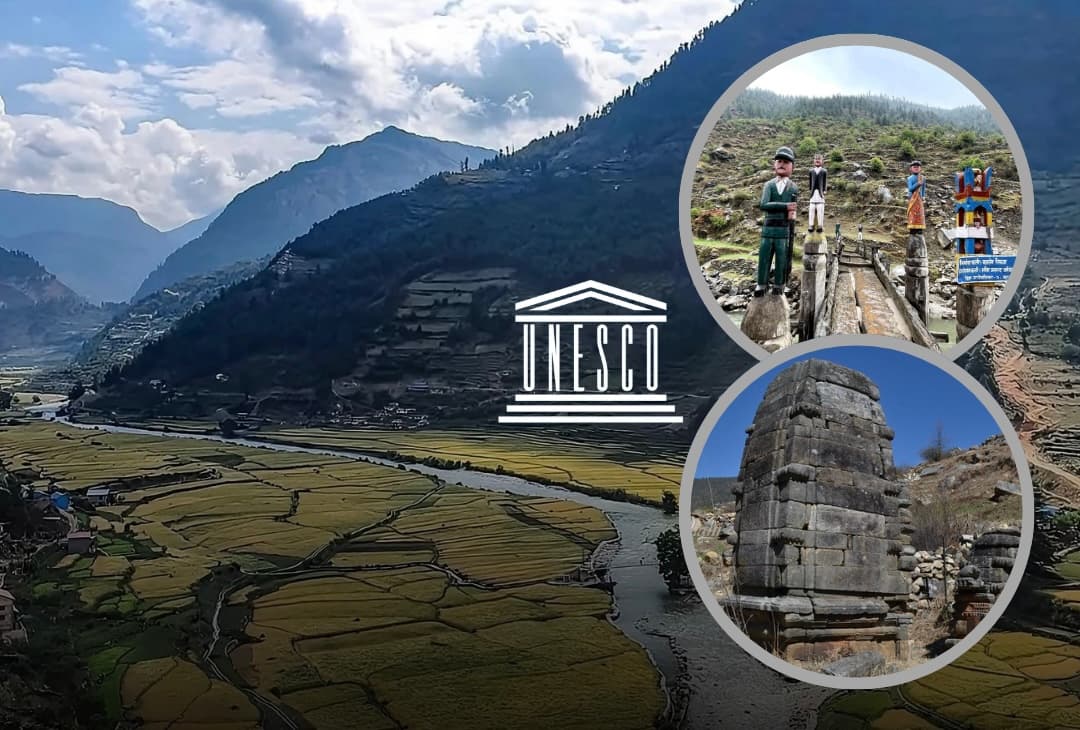
Kathmandu, Nepal – March 17, 2025 – The Department of Archaeology (DoA) of Nepal is taking significant steps to place several historically and culturally rich sites in Karnali Province on the prestigious UNESCO World Heritage List. Among the sites under consideration are Paduka, Shreesthan, Panchadeval, and the Sinja Valley—each with unique connections to Nepal’s linguistic and historical roots, particularly as the birthplace of the Nepali language.
Sinja Valley: A Linguistic and Historical Hub
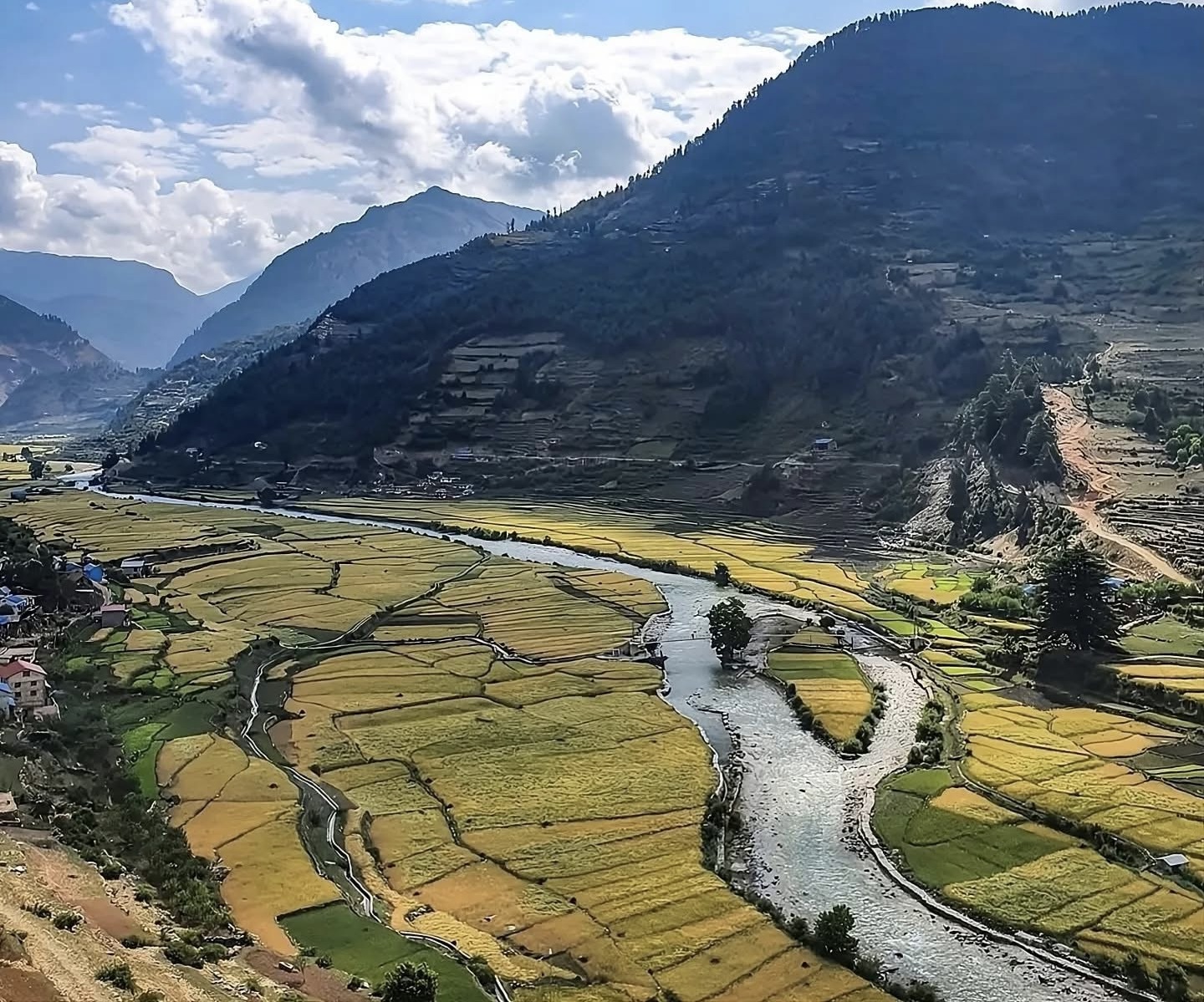 Sinja Valley, Jumla
The Sinja Valley, nestled in the Jumla District, was once the capital of the Khasa Kingdom during the 12th to 14th centuries. Excavations in the area have revealed palaces, temples, and residential structures, as well as an advanced ancient water supply system. Most notably, Sinja Valley is home to the earliest known examples of the Devanagari script, which dates back to the 13th century and was found on nearby cliffs and in Dullu. These discoveries emphasize the valley's pivotal role in the development of the Nepali language.
Bhurti Temple Complex: A Regional Architectural Marvel
Another significant site is the Bhurti Temple Complex in Dailekh District. The complex, consisting of 22 temples, is built in the Panchadeval style, a form of Western Malla architecture. While the origins of the temples remain debated, they are believed to have been constructed during the 14th or 15th century under the Khas Malla dynasty. The temples are distinctive for their dry stone masonry, a unique feature of the region’s architecture.
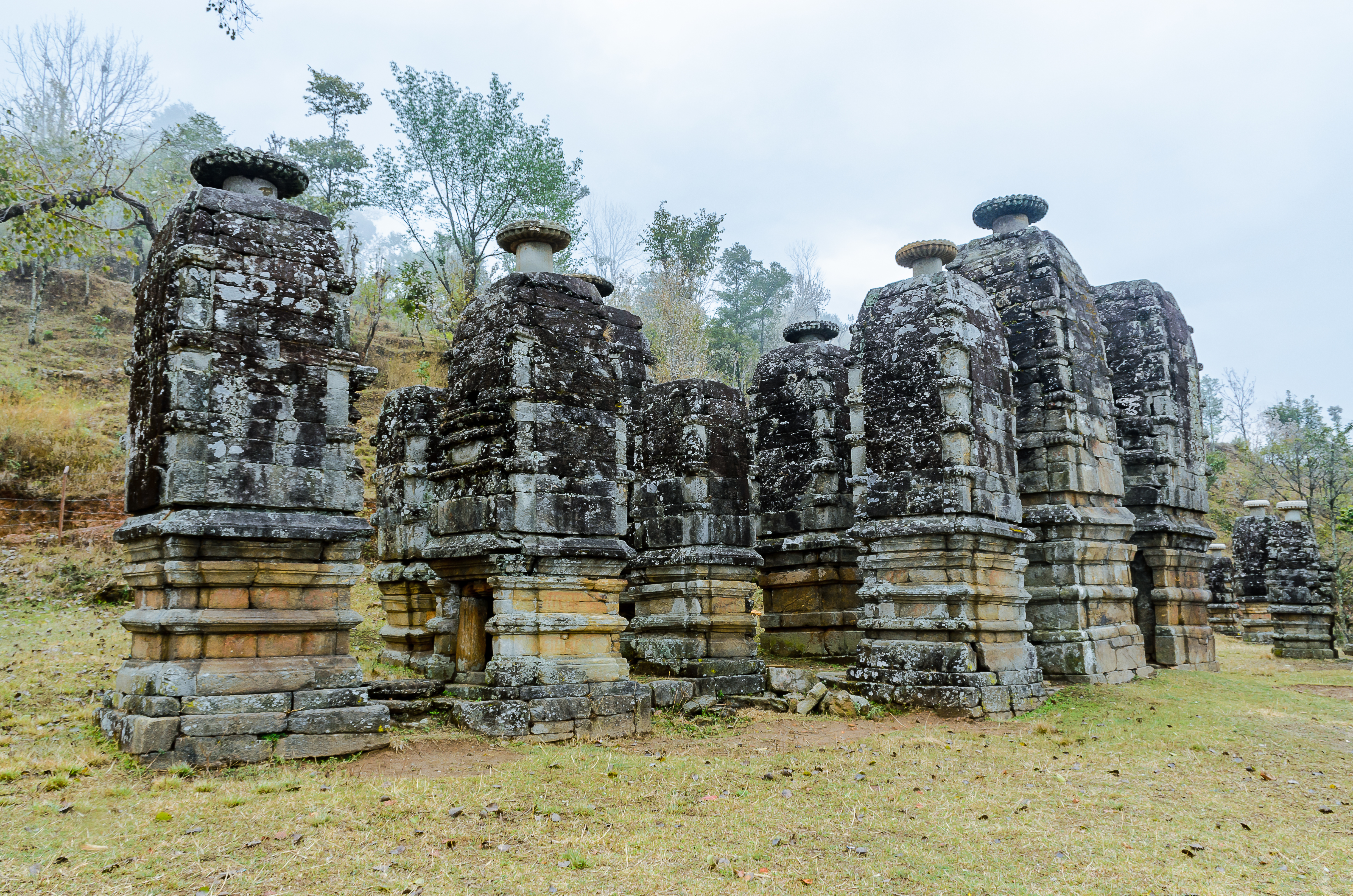 Bhurti Temple Complex in Dailekh
DoA's Commitment to Heritage Conservation
A study team, led by DoA Director General Saubhagya Pradhanang, recently visited these sites to assess their eligibility for World Heritage status. The team engaged with local communities in Sinja, Hima, and Kanakasundari rural municipalities to ensure that the residents are supportive of the initiative. Pradhanang emphasized the importance of integrating development with heritage conservation, cautioning that unchecked urbanization could pose risks to these valuable cultural landmarks.
Local Support and Global Impact
The local communities have expressed overwhelming support for the nomination, recognizing the immense cultural and historical importance of these sites. Many see the UNESCO recognition as a way to protect their heritage while also boosting tourism and bringing international attention to their region.
The DoA is currently preparing detailed proposals to include these and other significant Nepali sites on the UNESCO World Heritage List. This initiative is part of Nepal’s broader commitment to preserving its historical legacy and raising global awareness of its unique cultural assets.
The push for UNESCO World Heritage status highlights Nepal's efforts to safeguard its past while ensuring its future development is in harmony with its rich heritage.


Reader discussion
Comments
0