
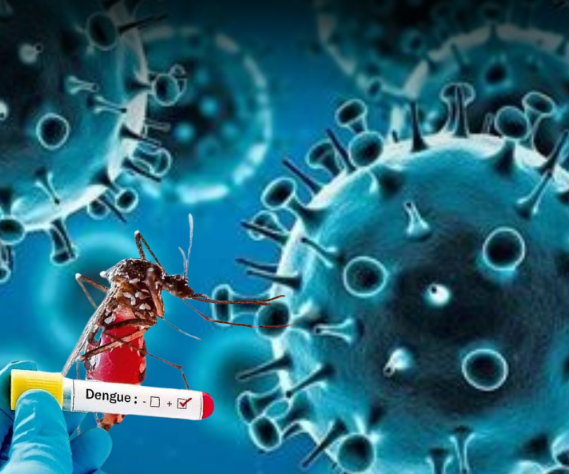
Nepal is facing a worrying increase in two illnesses: COVID-19 and dengue. The Ministry of Health and Population shared a report covering January 1 to July 3, 2025, showing that these diseases are spreading fast. The government is asking everyone to stay clean, get rid of mosquito homes, and visit doctors quickly to stop these illnesses from growing. Let’s learn more about what’s happening and how we can help.
COVID-19 Cases Are Climbing
COVID-19, the virus that makes people sick with coughs, fevers, and breathing problems, is back in Nepal. The report says there have been 249 cases of COVID-19 this year. In just one week, 35 new people got sick, and sadly, one person passed away. The virus has spread to 31 districts, which means it’s in many places across the country.
The area with the most cases is Bagmati Province, where 192 people have been sick since January. Last week, 26 new cases were found there, making it the hardest-hit place. Other areas like Koshi, Madhesh, and Gandaki provinces also have cases, but not as many. The report shows that in one week, called Epi Week 26, 59 people got COVID-19, the highest number in a single week this year.
Health experts say COVID-19 spreads when people are close to each other, especially if they don’t wear masks or wash their hands. The government is telling everyone to be careful, stay clean, and go to the doctor if they feel sick. They’re also testing people who have symptoms like fever or cough to catch the virus early.
Dengue Spreads Across Nepal
At the same time, dengue, a disease caused by mosquito bites, is also a big problem. Since January, 1,677 people in 73 districts have gotten dengue. Last week alone, 63 new cases were reported. Unlike COVID-19, dengue hasn’t caused any deaths this year, but it’s still dangerous.
Dengue is spread by mosquitoes called Aedes aegypti and Aedes albopictus. These mosquitoes like to live in still water, like puddles, old tires, or water containers. When it rains a lot during the monsoon season, these mosquitoes have more places to lay their eggs, which makes dengue spread faster. The Health Ministry says the next four months are the riskiest time for dengue, and up to 60,000 people could get sick if we don’t act.
Bagmati Province is also a hotspot for dengue, with 404 cases, followed by Gandaki (358 cases) and Koshi (334 cases). Even hilly areas, which used to be too cold for these mosquitoes, are now seeing dengue because of climate change. This makes it harder to stop the disease.
Why Are These Illnesses Spreading?
Both COVID-19 and dengue are spreading for different reasons. COVID-19 moves from person to person, especially in crowded places. People who don’t wash their hands or cover their mouths when they cough can spread it easily. Dengue, on the other hand, comes from mosquitoes that bite during the day. These mosquitoes love cities where there’s lots of trash or water sitting around.
Dr. Chandra Bhal Jha, a leader at the Epidemiology and Disease Control Division (EDCD), says stopping dengue isn’t just the health department’s job. Everyone needs to help by cleaning up places where mosquitoes can live. For example, emptying water from pots, covering water tanks, and throwing away old bottles can make a big difference.
What Is the Government Doing?
The Health Ministry is working hard to fight both COVID-19 and dengue. For COVID-19, they’re testing people with symptoms and asking hospitals to be ready for more patients. They’ve also bought 2,000 test kits to check for COVID-19 at airports and borders. For dengue, the government has given 100 million rupees to local communities to destroy mosquito breeding spots. They’ve teamed up with 147 local groups in 17 districts to teach people how to stay safe.
Dr. Gokarna Dahal, a dengue expert, says mosquito repellents alone aren’t enough. People need to clean up their neighborhoods and get rid of water where mosquitoes can grow. The government is also telling people to wear long clothes and use window screens to keep mosquitoes out.
How Can You Help?
Everyone can do something to stop COVID-19 and dengue. Here are some easy steps:
For COVID-19:
Wash your hands with soap for 20 seconds.
Wear a mask in crowded places.
If you have a fever, cough, or feel tired, see a doctor right away.
For Dengue:
Check your home for still water in pots, buckets, or old tires, and empty it.
Cover water containers so mosquitoes can’t get in.
Wear long sleeves and pants during the day when mosquitoes bite.
If you get a fever, headache, or body pain, visit a health center.
Dr. Sher Bahadur Pun, a doctor who studies diseases, says people need to take dengue seriously. “If we all work together, we can stop these diseases,” he said. Free dengue tests are available at places like Kapan Health Post and the municipal hospital in Kathmandu, so people can get checked if they feel sick.
Why This Matters
COVID-19 and dengue are dangerous because they can make a lot of people sick at the same time. COVID-19 can cause breathing problems, especially for older people or those who are already sick. Dengue can cause high fevers, bad headaches, and even bleeding if it gets serious. If too many people get sick, hospitals might get full, and it could be hard to take care of everyone.
The monsoon season, which brings lots of rain, makes things worse because it helps mosquitoes grow. Climate change is also making dengue spread to new places, like the hills. If we don’t act now, the number of sick people could grow a lot.
Looking Ahead
The Health Ministry is worried that Nepal could face a “triple health crisis” with COVID-19, dengue, and even cholera, another illness that spreads in water. They’re asking everyone to stay alert and keep their homes and neighborhoods clean. By working together, Nepal can fight these diseases and keep people safe.
If you or someone you know feels sick, don’t wait—go to a doctor or health center. Let’s all do our part to stop COVID-19 and dengue from spreading in Nepal!
Comments
0