
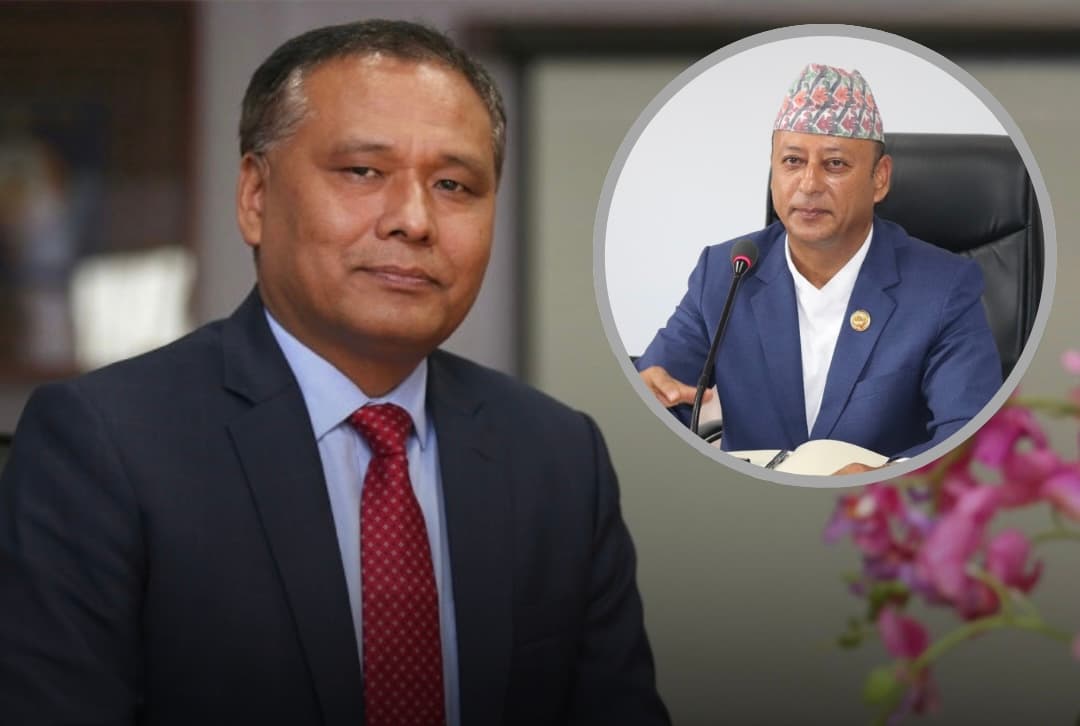
Nepal’s load shedding problem, which caused frequent power cuts for years, has finally ended. The Minister of Energy, Dipak Khadka, has given credit for this achievement to India. He recently stated that the end of load shedding in Nepal was not due to efforts by Kulman Ghising, as many believed. Instead, it was largely because of Nepal’s purchase of electricity from India.
 Electricity
Load shedding had been a big issue in Nepal for many years. People used to experience power cuts for many hours every day, making daily life difficult. Businesses, schools, and households struggled because they couldn’t depend on a stable power supply. The government worked hard to solve this problem, and one of the biggest steps was to buy electricity from India.
India’s role in solving Nepal’s electricity issues has been significant. Over the past few years, India has been supplying electricity to Nepal, which has helped balance the energy shortage in the country. This electricity import has made a huge difference, especially during the dry season when Nepal’s own hydroelectric plants struggle to produce enough power.
Energy Minister Dipak Khadka explained that India’s generous support in providing electricity helped end load shedding. He emphasized that this collaboration with India was vital in ensuring a steady power supply in Nepal. According to the Minister, it was India’s contribution, along with Nepal’s own efforts, that helped improve the power situation.
The Nepal government has been working on many projects to increase the production of electricity within the country. One of the key goals has been to build more hydropower plants and improve the power grid. However, until these projects could meet the growing demand, importing electricity from India was necessary.
Minister Khadka's statement has sparked conversations in Nepal. While many people believed that the efforts of Kulman Ghising, the Managing Director of Nepal Electricity Authority, were the main reason for ending load shedding, Khadka’s words have shifted the focus to India. Ghising played a crucial role in managing Nepal’s power system better, but according to Khadka, the real solution came from the cooperation with India.
The Nepal-India electricity trade agreement is a sign of strong relations between the two countries. Over the years, Nepal and India have worked together to share resources, especially in the energy sector. India’s willingness to help Nepal solve its power problems has been seen as a positive gesture that strengthens the bond between the two nations.
As Nepal continues to develop its own power generation capabilities, it is clear that international cooperation will remain important. The end of load shedding is a result of teamwork between Nepal and India, and it shows the power of collaboration in solving national challenges.
In conclusion, Nepal's recent achievement of ending load shedding is a reminder that sometimes, countries need to help each other to solve big problems. The support from India has played a crucial role in ending the power shortages that affected millions of people in Nepal. It’s a moment for Nepal to thank India for its help in making life better for everyone.

Reader discussion
Comments
0