
Lumba Sumba Pass Trek: The Hidden Himalayan Adventure
 By Nepal 360 ·4 min read ·148
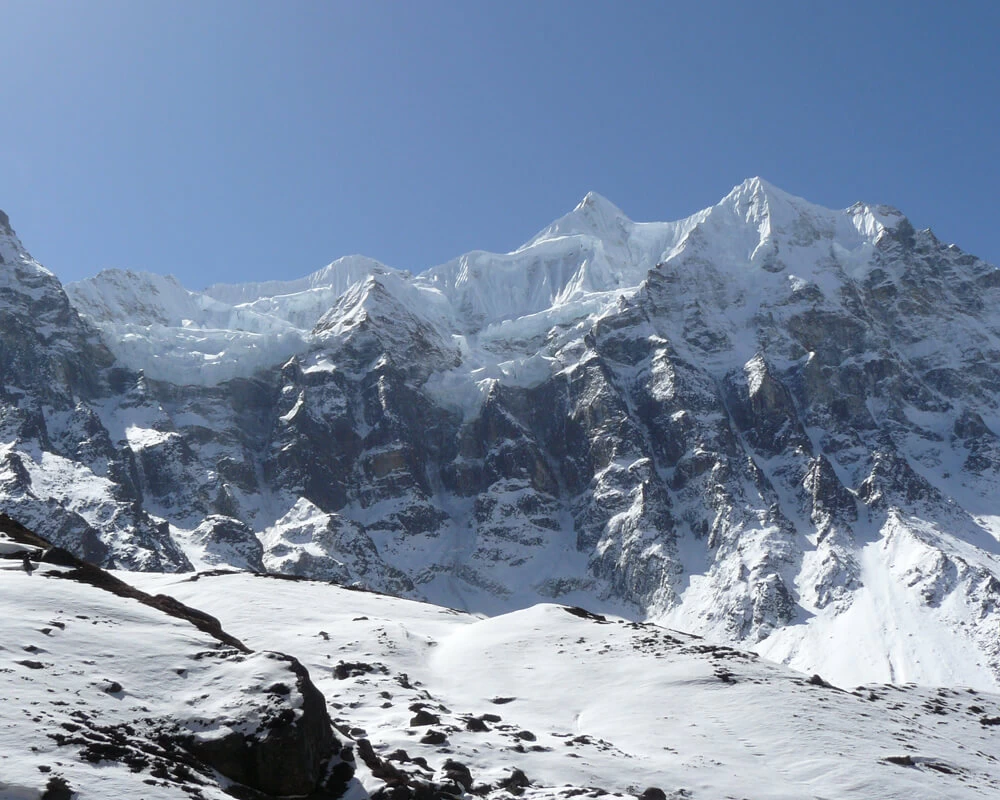
The Lumba Sumba Pass Trek is a beautiful and quiet trek in eastern Nepal. It joins two big mountain areas called Kanchenjunga and Makalu. This trek is very special because it is far away from crowded places. You walk through green forests, small villages, and tall snowy mountains. You also cross a high mountain pass named Lumba Sumba.
Most people do not know about this trek. That makes it great for travelers who want peace and natural beauty. If you like walking, mountain views, and meeting kind local people, this trek is perfect for you.
 Lumba Sumba Pass Trek
Where is Lumba Sumba Pass
The Lumba Sumba Pass is in eastern Nepal, near the border with Tibet and India. The trek usually starts in a town called Taplejung and ends in another place called Num. These two places are in remote mountain areas of Nepal.
This trail goes through two protected areas. These are Kanchenjunga Conservation Area and Makalu Barun National Park. These places are full of wild animals, birds, rivers, and forests.
Route and Main Stops
The trek takes about 18 to 22 days to complete. It reaches a maximum height of 5177 meters at the Lumba Sumba Pass.
Here are the major stops along the way
Taplejung
Mitlung
Chirwa
Lelep
Olangchung Gola
Lumba Sumba Pass
Thudam
Chyamthang
Hatiya
Num
The people in these villages are mostly Sherpa, Rai, Limbu, and Tibetan. They are friendly and always smiling. Their houses are simple but warm. They often serve local food and tea.
Why Lumba Sumba Trek is Special
One It is peaceful
There are not many trekkers on this trail. That means you can walk in peace and enjoy the quiet sounds of nature.
Two The mountain views are amazing
You will see tall peaks like Kanchenjunga and Makalu. The views from the top of Lumba Sumba Pass are like a painting.
Three You will meet kind villagers
The local people will talk with you, smile, and offer help. You will learn about their culture, religion, food, and festivals.
Four You will see nature and animals
You might see animals like red pandas, snow leopards, and musk deer. There are also many birds and butterflies.
How Difficult is the Trek
The Lumba Sumba Pass Trek is a bit hard. You walk for five to seven hours each day. Some days go uphill. Some go downhill. The pass is high and cold.
But you can do it if you
Walk slowly
Drink enough water
Rest often
Eat healthy food
You do not need to be an expert. Just be strong, healthy, and ready to enjoy.
Best Time for the Trek
The best months for this trek are
Spring March to May
The weather is warm, and many flowers bloom. You can see rhododendrons and clear skies.
Autumn September to November
This season has sunny days, cool nights, and great mountain views.
It is not safe to go during the rainy season June to August. The trail becomes slippery. In winter December to February, the pass may be blocked with snow.
Where to Sleep and Eat
Sleeping Homestays and tents
This trek has very few lodges. You will sleep in homestays in villages or camp in tents when there are no houses.
Eating Simple and fresh food
You can eat
Dal Bhat rice, lentils, and vegetables
Roti flat bread
Noodles
Potatoes
Boiled eggs
Carry snacks like nuts, chocolate bars, dry fruits, and clean drinking water.
Animals and Culture You Will See
Wild animals
You may see
Red panda
Himalayan black bear
Snow leopard
Monkeys and deer
Local Culture
Most people follow Buddhism or Hinduism. You will see
Prayer flags
Stone stupas
Monasteries
People celebrating festivals with music and dance
What to Pack
Here is a list of what you should take
Warm jacket and sleeping bag
Good walking boots
Raincoat
Water bottle
Trekking pole
Gloves and wool cap
First aid kit
Headlamp or flashlight
Sunscreen and sunglasses
Bring your passport and permits with you at all times.
Permits Needed for the Trek
You must have these permits
Kanchenjunga Conservation Area Permit
Makalu Barun National Park Permit
Restricted Area Permit for Olangchung Gola and Thudam
You need to trek with a registered guide and a group of at least two people for restricted zones. A trekking agency will help you get all permits.
Cost of the Trek
Here is an estimated cost breakdown
Guide and porter per day
Twenty to forty dollars
Food and stay per day
Twenty to thirty dollars
Permits
One hundred to one hundred fifty dollars
Transport
Fifty to one hundred dollars
Extra items gear rental snacks
Fifty to one hundred dollars
Total cost for the full trek
Around one thousand to fifteen hundred dollars
You can save money by trekking in a group and sharing expenses.
How to Reach the Starting Point
No flight is needed if you go by road
Option one Start in Taplejung
Drive from Kathmandu to Birtamod twelve hours
Then to Taplejung by jeep eight hours
Option two End in Num
After the trek, take a jeep from Num to Tumlingtar
Then drive back to Kathmandu
Tips for a Great Experience
Walk slowly and carefully
Respect the people and culture
Do not litter Keep the trail clean
Take rest days to adjust to height
Carry snacks and your water bottle
How did this story make you feel?
Comments
0Sign in to join the discussion.
Be the first to comment.