
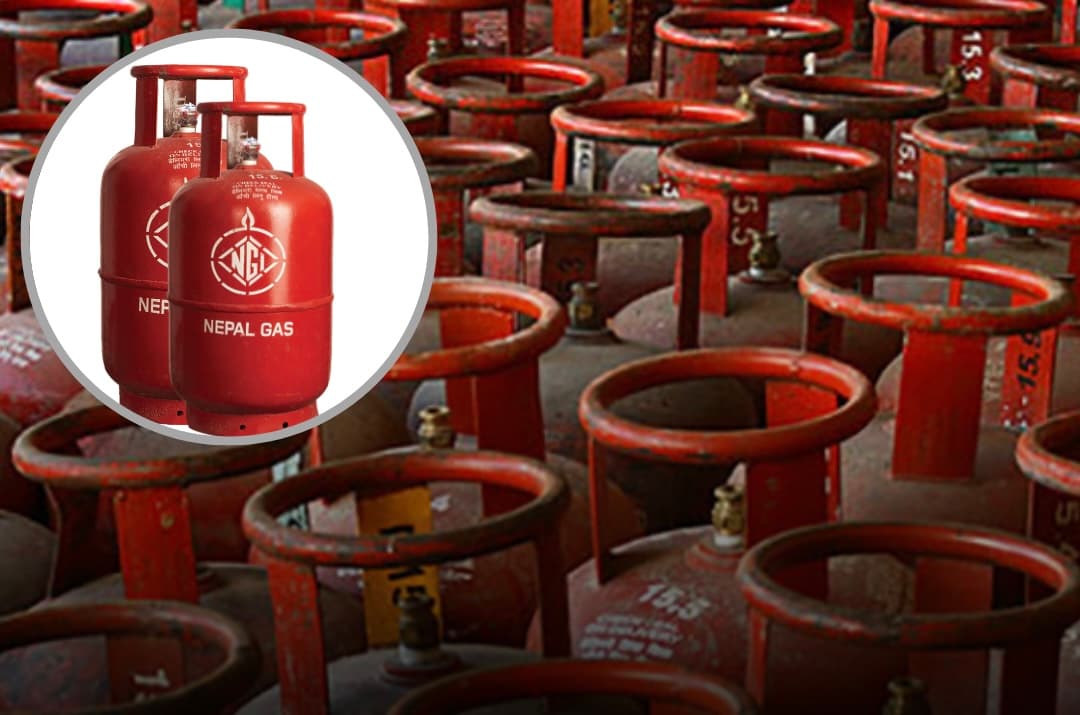
Kathmandu, March 3 – The Nepal LP Gas Association (NLPGA) has raised serious concerns over the government’s failure to address their demands and has announced plans for a nationwide protest. The association, representing liquefied petroleum gas (LPG) dealers, has warned of significant disruptions in supply if their grievances remain unaddressed.
According to NLPGA President Shiva Prasad Ghimire, all 59 gas industries operating in Nepal have collectively decided to stop purchasing delivery orders (PDOs) from Nepal Oil Corporation (NOC) starting Sunday. This decision comes as part of their protest strategy, and the association has further threatened to halt the loading of LP gas bullets from Indian Oil Corporation (IOC) refineries beginning next Saturday if the government does not respond to their concerns.
Unresolved Issues Spark Protest
The association has long been urging the government to address several issues affecting the LPG sector, including pricing mechanisms, transportation challenges, and taxation policies. However, despite multiple discussions and requests, NLPGA claims that the authorities have not taken concrete steps to resolve these problems.
“The government has failed to provide any concrete solutions to our long-standing demands. We have been continuously raising these issues, but no progress has been made,” said Ghimire. “If our concerns are not taken seriously, we will be forced to take stronger action, which will ultimately impact millions of households and businesses.”
One of the primary demands of the LPG dealers is a revision in the pricing structure of LPG cylinders. Dealers argue that the current pricing model does not adequately reflect rising costs in transportation, storage, and distribution. In addition, they have been pushing for a more transparent and efficient procurement process to prevent unnecessary delays and financial burdens on gas companies.
Potential Impact on Consumers
If the NLPGA follows through with its protest plans, the supply of LPG across Nepal could be severely disrupted. With millions of households and businesses relying on LPG for cooking and heating, any supply chain disruption could lead to a crisis. Past instances of LPG shortages have resulted in skyrocketing prices in the black market and difficulties for consumers, particularly in urban areas.
Restaurant owners, hoteliers, and other businesses that depend on a steady supply of cooking gas are also likely to face significant challenges if the strike proceeds as planned. A shortage could force many businesses to seek alternative and often more expensive fuel sources, further straining the economy.
“We are already struggling with rising operational costs. If gas supplies are disrupted, it will be a huge blow to our industry,” said Suman Karki, a restaurant owner in Kathmandu. “We hope the government takes quick action to resolve this issue before it escalates.”
Government’s Response and Next Steps
In response to the association’s announcement, officials from the Ministry of Industry, Commerce, and Supplies have stated that they are aware of the concerns raised by LPG dealers and are working on possible solutions. However, they have urged the dealers to reconsider their decision and seek resolution through dialogue rather than supply disruptions.
“The government is open to discussions and wants to address the concerns of LPG dealers in a constructive manner,” said a ministry spokesperson. “We urge them to work with us to find a solution that benefits all stakeholders without harming consumers.”
Despite the government’s assurances, NLPGA has emphasized that they will not back down unless concrete steps are taken. The coming days will be crucial in determining whether negotiations between the government and LPG dealers can prevent an impending crisis.
With the deadline for the protest approaching, Nepal faces the possibility of a major LPG supply disruption. The standoff between LPG dealers and the government highlights broader issues within Nepal’s energy sector that require urgent attention. Unless a swift and effective resolution is reached, consumers across the country may soon face difficulties in accessing a basic necessity. The government and NLPGA must find common ground to prevent a crisis that could impact millions of lives.

Reader discussion
Comments
0