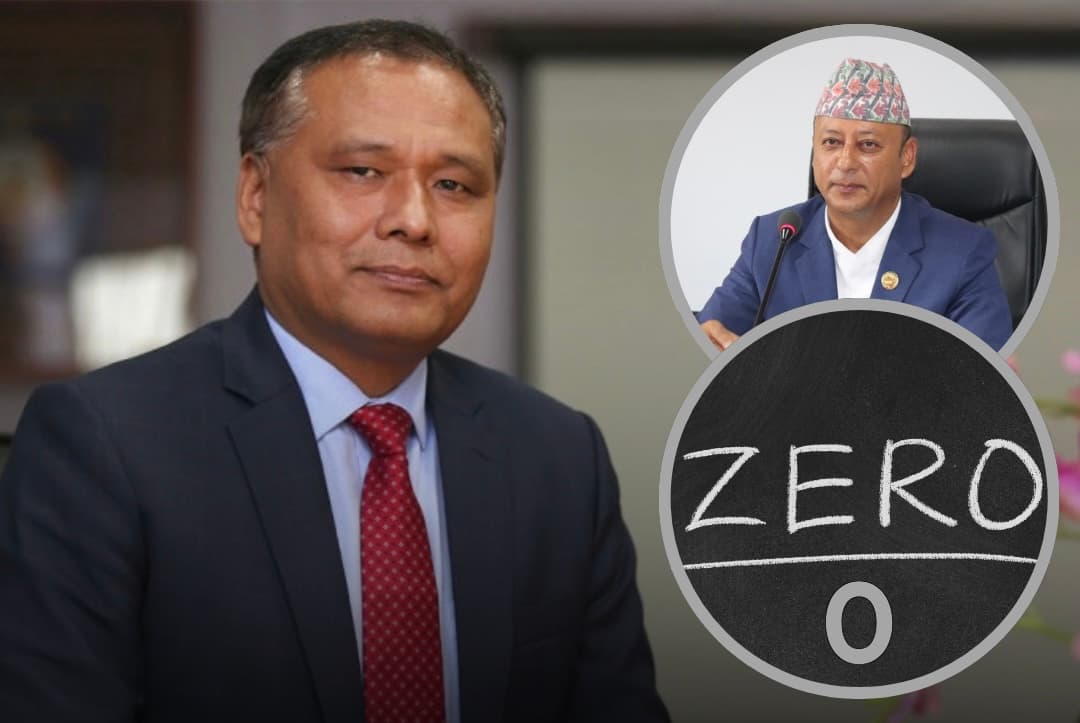
Kathmandu, Nepal – A major controversy has emerged in Nepal’s energy sector following the latest performance evaluation of Nepal Electricity Authority (NEA) Managing Director, Kulman Ghising. Despite his past achievements, he received a shocking ‘zero rating’ in his latest assessment, allegedly due to a delayed report submission. This has raised serious concerns about the fairness of the evaluation process.
A Drastic Shift in Performance Scores
Kulman Ghising is widely credited with transforming Nepal’s electricity sector by eliminating power cuts and ensuring a stable supply of electricity. His past performance evaluations reflected his contributions, with scores of 94.23 in 2078/79 and 98.94 in 2079/80. However, this year’s sudden drop to zero has sparked widespread debate.
Officials claim that the low score was due to the delayed submission of his performance report. However, critics argue that the rating is politically motivated and influenced by internal power struggles.
Political Influence and Internal Power Struggles
The timing of this rating has raised questions, especially as Nepal is making significant progress in electricity production and exports. Many believe that the move is an attempt to undermine Ghising’s leadership and replace him with someone more favorable to certain political interests.
The Energy Minister plays a crucial role in overseeing NEA and its leadership. Some reports suggest that political interference may have influenced Ghising’s rating, leading to speculation that the decision was driven by factors beyond his actual performance.
Public Reaction and Industry Concerns
The public has voiced strong support for Kulman Ghising, with many taking to social media to express their discontent. Supporters argue that his contributions to Nepal’s energy sector cannot be ignored and that the evaluation should be based on merit rather than political agendas.
Industry experts warn that such actions could harm Nepal’s electricity sector, affecting both domestic supply and international trade. They emphasize the need for transparency in performance evaluations to ensure the continued progress of the energy industry.
What’s Next?
The controversy has put pressure on the government to review the evaluation process and address public concerns. Whether Ghising will continue as NEA’s Managing Director remains uncertain. As the situation unfolds, stakeholders are calling for a fair and unbiased assessment of his contributions to Nepal’s energy sector.
The outcome of this issue will have significant implications for the future of Nepal’s electricity industry, governance, and public trust in the system. Citizens and experts alike will be watching closely to see how the government responds to these concerns.

Reader discussion
Comments
0