
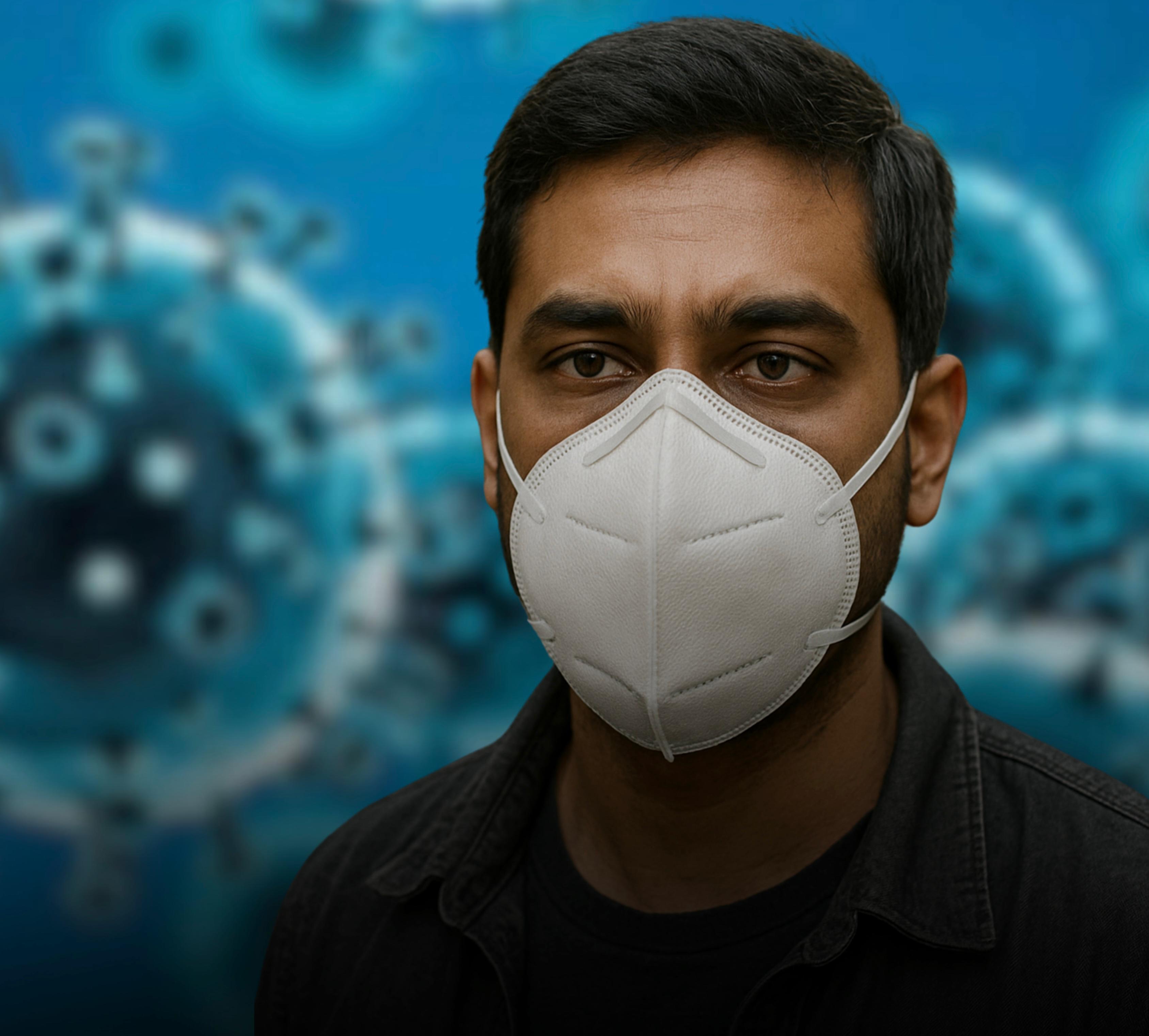
A new wave of concern ripples through Koshi Province! Eight fresh COVID-19 cases have emerged, sparking action from local health officials. The cases reported across Jhapa, Morang, Ilam, and Dolakha indicate that the virus remains challenging. To counter this, Jhapa has received a vital shipment of 15,000 Pfizer vaccine doses, a move aimed at protecting the most vulnerable. Testing has also kicked off at the Kakarbhitta border, but the lack of a dedicated hospital for severe cases raises questions about readiness.
New Cases Spark Alert
Koshi Province is on high alert after confirming eight new COVID-19 infections. Five of these cases were reported in Jhapa, a bustling district that serves as a key entry point to Nepal. The remaining cases were detected in Morang, Ilam, and Dolakha, showing the virus’s reach across the province. While the numbers may seem small, they serve as a reminder that COVID-19 is still a threat, even as the world moves toward recovery.
Health officials are urging residents to stay vigilant. The virus spreads easily, especially in crowded areas or enclosed spaces, through respiratory droplets from coughing, sneezing, or even talking. Symptoms like fever, dry cough, fatigue, and breathing difficulties can range from mild to severe, with older adults and those with underlying health conditions at higher risk. These new cases highlight the need for continued caution and quick action.
Pfizer Vaccines Arrive in Jhapa
In a major step to curb the spread, Jhapa has received 15,000 doses of the Pfizer COVID-19 vaccine. Ramesh Barakoti, Chief of the Health Office in Jhapa, confirmed the delivery, emphasizing the district’s commitment to protecting its residents. The vaccines are a critical tool in the fight against the virus, offering hope to those most at risk.
The vaccination campaign is prioritizing specific groups to ensure maximum impact. Children over 5 years old are at the top of the list, as protecting young people is key to keeping schools and communities safe. Pregnant women, who face unique risks from COVID-19, are also a priority, as the virus can lead to complications during pregnancy. Immunocompromised individuals, such as those with chronic illnesses like diabetes or heart disease, will also receive early access to the vaccine. Frontline workers, including healthcare professionals and others exposed to the virus daily, are included to safeguard those on the front lines.
The Pfizer vaccine, known for its high effectiveness, has been a game-changer globally. It works by teaching the body to recognize and fight the virus, reducing the chances of severe illness or hospitalization. By focusing on these priority groups, Jhapa aims to build a protective shield around its most vulnerable residents while curbing the virus’s spread.
Testing Begins at Kakarbhitta Border
To catch cases early, COVID-19 testing has started at the Kakarbhitta border point in Mechinagar. This busy crossing, a gateway for travelers entering Nepal, is a potential hotspot for the virus. Three health workers are currently stationed at the site, conducting tests to screen for infections among travelers and locals. This step is crucial, as border areas can act as entry points for new variants or outbreaks.
Testing at Kakarbhitta involves checking for the virus using reliable methods like PCR or antigen tests. These tests help identify infected individuals quickly, allowing health officials to isolate cases and prevent further spread. However, the limited number of health workers—only three at such a critical location—raises concerns about capacity. Scaling up testing efforts and ensuring adequate staffing will be key to keeping the border safe.
Challenges with Severe Case Treatment
While testing and vaccination efforts are underway, a significant gap remains: Koshi Province lacks a designated hospital for treating severe COVID-19 cases. This is a pressing issue, as severe cases often require specialized care, including oxygen support or intensive care units. Without a dedicated facility, patients may face delays in treatment, which could lead to worse outcomes.
Hospitals like the BP Koirala Institute of Health Sciences in Dharan have been handling COVID-19 cases, but they are stretched thin. In the past, other hospitals in the province, such as Koshi, Nobel, and Birat in Biratnagar, were equipped to collect samples but often referred patients to BP Koirala without conducting tests themselves. This reliance on a single facility creates bottlenecks and highlights the need for a better-coordinated response.
Health officials are aware of the challenge and are working to address it. Designating a hospital for severe cases would streamline care and reduce pressure on existing facilities. For now, patients with severe symptoms may need to travel to larger hospitals, which can be difficult for those in remote areas like Ilam or Dolakha.
Community Action and Awareness
The rise in COVID-19 cases underscores the importance of community action. Residents are being asked to follow basic precautions, such as wearing masks, maintaining distance, and washing hands frequently. These simple steps can make a big difference in slowing the virus’s spread. Health officials are also encouraging people to get vaccinated as soon as possible, especially with the new Pfizer doses available.
For those eligible, getting the vaccine is straightforward. Vaccination centers in Jhapa are being set up to distribute the Pfizer doses, and health workers are reaching out to priority groups to ensure they are informed. Parents of children over 5, pregnant women, and immunocompromised individuals should contact local health offices to schedule their shots.
Frontline workers, who face daily exposure, are being prioritized to keep essential services running smoothly. Their protection is vital not only for their health but also for the safety of the communities they serve. By vaccinating these groups first, Jhapa is taking a strategic approach to building immunity where it’s needed most.
Moving Forward with Hope
The arrival of 15,000 Pfizer vaccine doses is a significant boost for Koshi Province. With testing underway at Kakarbhitta and vaccination efforts ramping up, the province is taking proactive steps to tackle COVID-19. However, challenges like the lack of a designated hospital for severe cases and limited testing staff need urgent attention.
Jhapa’s focus on children, pregnant women, immunocompromised individuals, and frontline workers shows a commitment to protecting the most vulnerable. As the province navigates this new wave of cases, community cooperation and swift action will be critical. By staying vigilant and embracing vaccination, Koshi Province can work toward a safer, healthier future.
Comments
0