

Imagine waking up one morning to find your city under curfew. This happened recently in Kathmandu, Nepal, where people were not allowed to move around freely due to violent protests. The protests were about bringing back the king, a system that was abolished many years ago. In this article, we will explore what happened during these protests, why they turned violent, and how the situation is now.
Introduction to the Protests
On March 28, 2025, Kathmandu witnessed a significant escalation of pro-monarchy protests. These protests, which demanded the restoration of Nepal's monarchy and its status as a Hindu kingdom, turned violent, leading to clashes with police and the imposition of a curfew in several areas, including Tinkune and Baneshwor. The purpose of this article is to provide a detailed overview of the events surrounding these protests and the subsequent lifting of the curfew.
 Nepal Army
The Protests and Violence
The protests began peacefully but soon turned violent as demonstrators attempted to breach restricted areas. Security forces responded with tear gas and water cannons to disperse the crowd. However, the situation worsened, with protesters engaging in arson and vandalism. They set vehicles on fire and attacked offices of political parties, including the CPN (Unified Socialist) in Baneshwor. The violence led to injuries among both protesters and security personnel.
Curfew Imposed
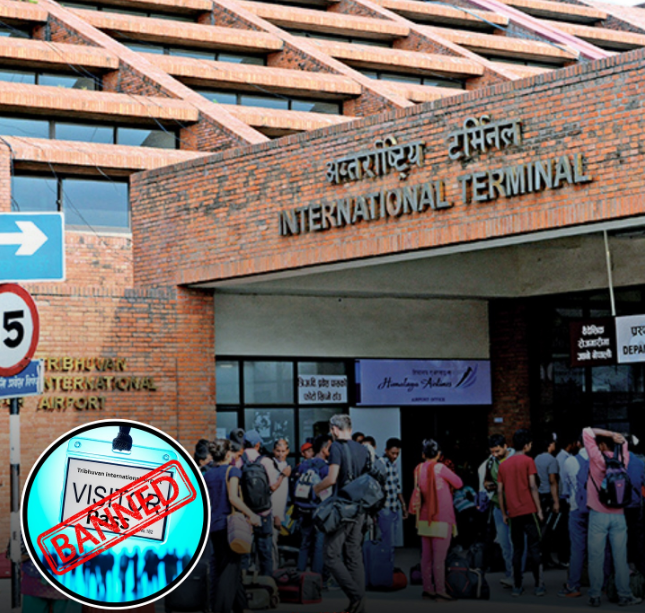
To control the situation, the Kathmandu District Administration Office imposed a curfew from 4:25 PM to 10 PM in areas such as Tinkune, Koteshwor, Baneshwor, and the airport zone. The curfew prohibited any movement or gatherings, aiming to restore order and ensure public safety. The decision was made after protesters resorted to arson and vandalism, prompting security forces to take action.
 Tinkune, Kathmandu
Lifting of the Curfew
After the situation was brought under control, the curfew was lifted. This move allowed residents to resume their daily activities, although the underlying tensions remain. The lifting of the curfew indicates a return to normalcy but also highlights the ongoing political instability in Nepal.
Political Crisis in Nepal
Nepal has been facing political instability for years, with frequent changes in government and deep divisions among political parties. The recent protests reflect growing dissatisfaction with the current political system and a desire among some for a return to the monarchy. However, major political parties like the CPN-UML have strongly opposed any attempt to reverse the democratic republic established in 2008.
Conclusion
The lifting of the curfew in Kathmandu marks a temporary resolution to the immediate crisis but leaves unresolved the deeper issues driving these protests. As Nepal continues to navigate its political challenges, it remains to be seen how these tensions will evolve in the future. This article has provided an overview of the recent events in Kathmandu, highlighting the complexities of Nepal's political landscape.
Comments
0