
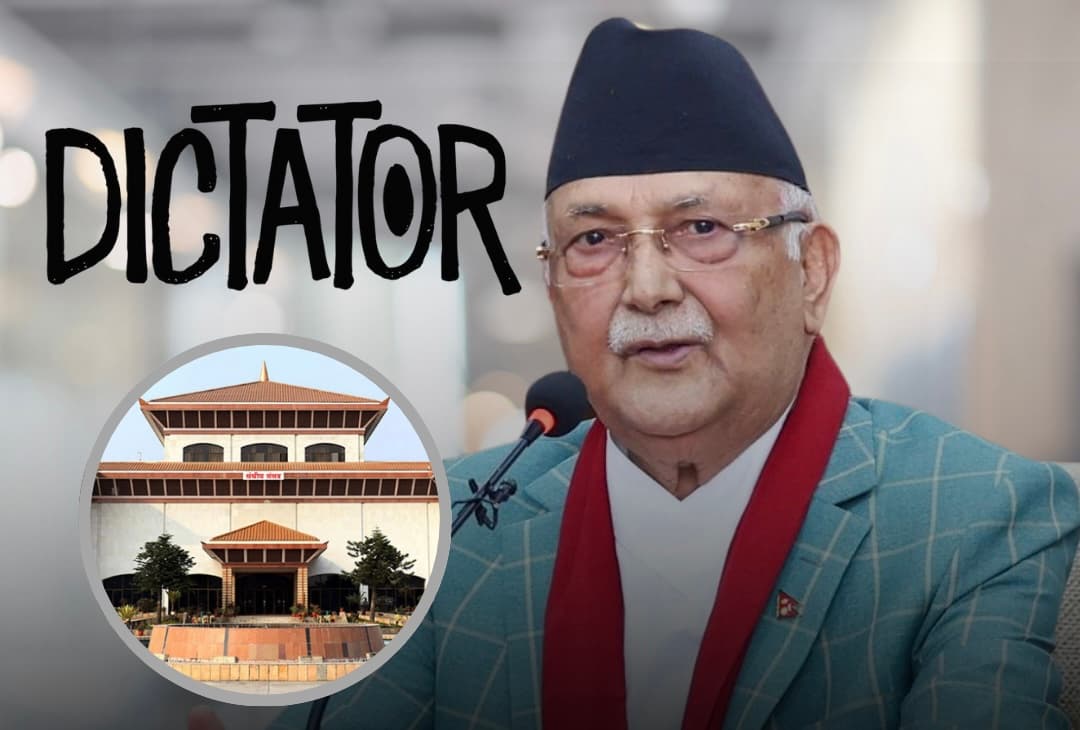
Two Nepalese journalists, Prakash Oli from Sunaulo Nepal and Kishor Kumar Shrestha from Yuwa Man Nepal, have been banned from entering the Parliament for one month. The suspension came after they asked Prime Minister KP Sharma Oli controversial questions, allegedly calling him a "dictator" and comparing him to "Hitler." The Federal Parliament Secretariat ruled that their behavior violated parliamentary decorum.
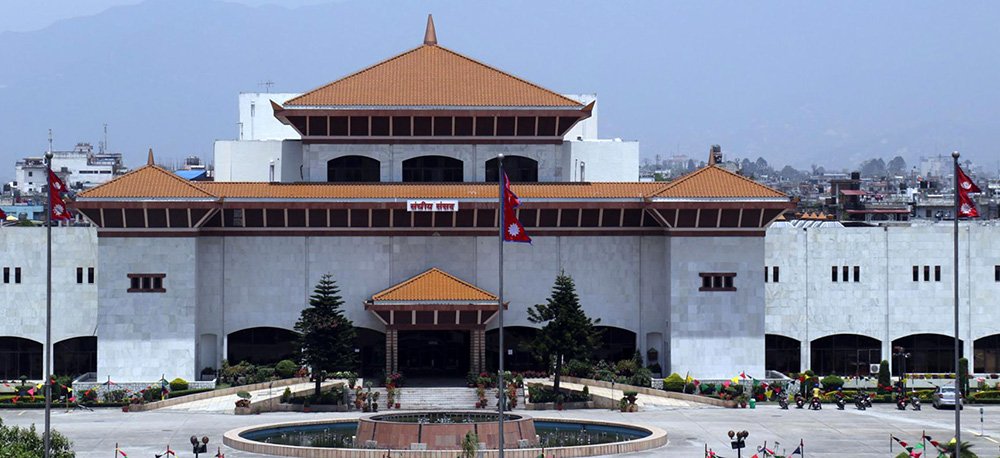 Parliament of nepal
The incident took place on February 16, when the journalists directed sharp questions at the Prime Minister. Their use of terms like "Hitler" and "dictator" angered many lawmakers, especially from the ruling CPN-UML party. Surya Thapa, a senior leader of CPN-UML, strongly condemned their words, stating that such language disrespects both the Prime Minister and the dignity of Parliament.
In response, the Federal Parliament Secretariat took immediate action, suspending the journalists' Parliament passes for one month. This decision means they are prohibited from entering the Parliament building during this period. The Secretariat justified the move by stating that maintaining decorum in Parliament is essential and that the journalists' remarks crossed the line of acceptable conduct.
The suspension has sparked debate across Nepal, with mixed reactions from the public and media organizations. Supporters of the journalists argue that questioning leaders and holding them accountable is an essential part of democracy. They believe that politicians should accept criticism and respond to tough questions rather than restricting journalists. On the other hand, critics argue that while journalists have the right to question leaders, using terms like "Hitler" and "dictator" was inappropriate and disrespectful in an official setting like Parliament.
This incident has once again highlighted the delicate balance between press freedom and political authority. In many countries, journalists often face pushback when they challenge powerful leaders. Some believe that this suspension could have a chilling effect on media freedom in Nepal, discouraging reporters from asking tough questions. Others see it as a necessary step to uphold the dignity of political institutions.
As Nepal continues to navigate its democratic path, incidents like this raise important questions about the limits of free speech and the role of the media in holding leaders accountable. While the ban is temporary, its impact on Nepal’s press freedom and political landscape remains to be seen. Will this case encourage more responsible journalism, or will it restrict the ability of reporters to challenge those in power? The debate continues, with strong opinions on both sides.

Reader discussion
Comments
0