
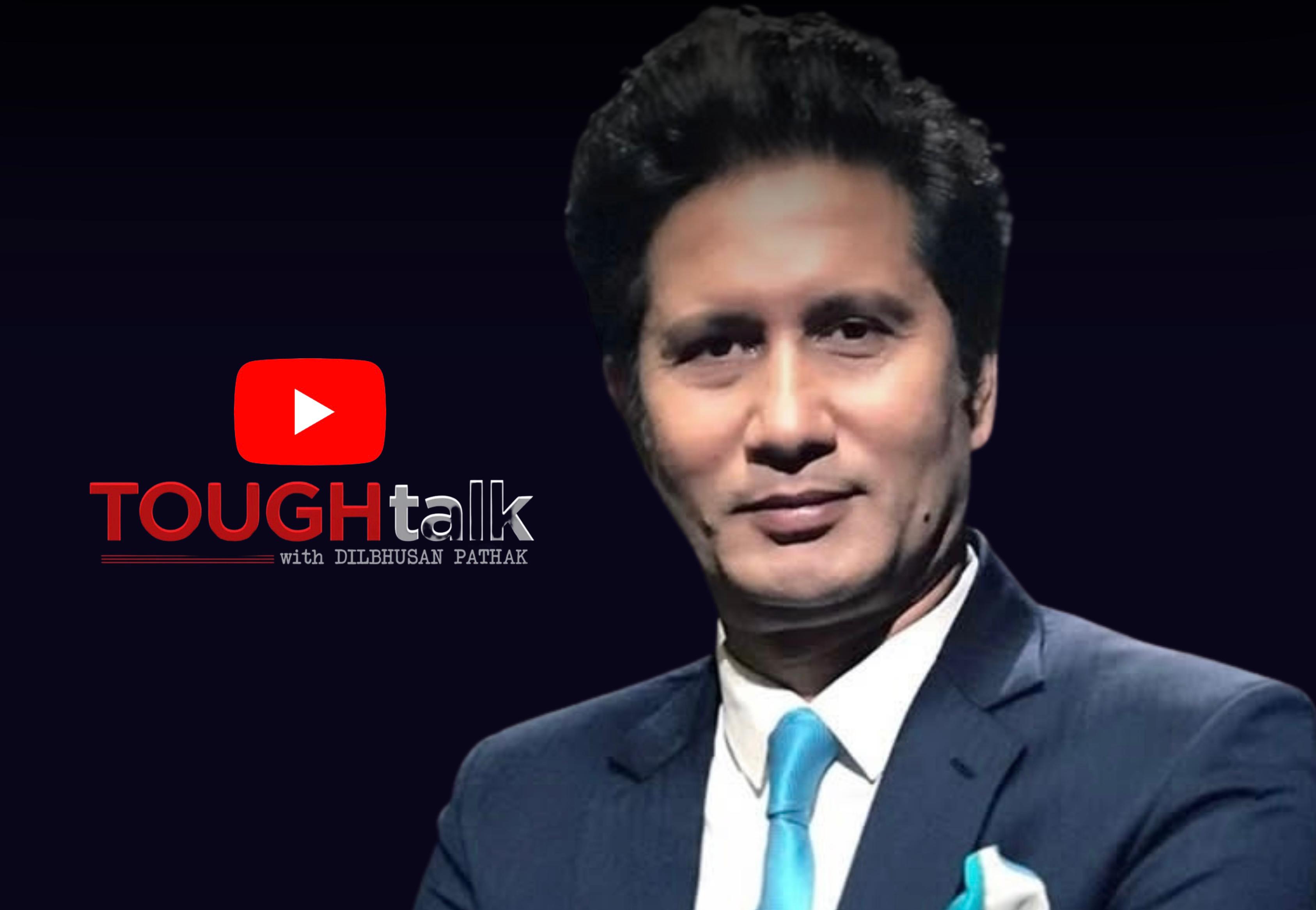
In a move that has shocked Nepal’s media landscape, renowned journalist Dil Bhusan Pathak has been charged under the Electronic Transactions Act, raising serious concerns about freedom of expression and press rights in the country.
The case against Pathak was filed at the Kathmandu District Court, accusing him of spreading hate through a YouTube video. In the video, Pathak raised questions about financial dealings involving Jaiveer Singh Deuba—the son of former Prime Minister Sher Bahadur Deuba—and members of his family.
What makes this case even more controversial is the fact that the Patan High Court had already issued an order preventing Pathak’s arrest. Yet, authorities proceeded with the case, prompting media experts and human rights defenders to express outrage and concern. Who is Dil Bhusan Pathak?
Dil Bhusan Pathak is one of Nepal’s most respected journalists. He is known for his hard-hitting interviews, investigative documentaries, and balanced reporting. Over the years, he has built a reputation for asking uncomfortable questions and holding those in power accountable.
His YouTube channel is followed by thousands and often features in-depth discussions on political and social issues. This time, however, it seems that his journalistic courage may have put him in legal trouble.
What Was in the Video?
The video in question focused on financial connections and land ownership involving Jaiveer Singh Deuba and his family. Pathak questioned the transparency and legality of these transactions, urging viewers to think critically about how political families accumulate wealth.
There were no hate speeches or calls to violence in the video. Instead, it was an investigative piece supported by public records, questions, and analysis. Still, it was interpreted as “spreading hatred” and became the basis for legal action.
The Electronic Transactions Act and Its Misuse
Nepal’s Electronic Transactions Act (ETA) was originally introduced to manage online transactions and prevent cybercrimes like hacking, identity theft, and financial fraud.
However, journalists and rights activists now say that the Act is being misused to silence critical voices. Pathak’s case is not the first. Several other journalists, YouTubers, and even social media users have been targeted under the same law simply for expressing opinions.
Prominent media freedom advocate Tara Nath Dahal commented,
“This is a clear misuse of cyber law. The government is using it to suppress journalism and create fear among media professionals.”
Court Order Ignored
Perhaps the most disturbing part of this case is the disregard for the judicial system. The Patan High Court had already issued an interim order protecting Pathak from arrest. Yet, the case was filed, and legal procedures began, which raises questions about respect for court orders and the rule of law in Nepal.
Legal experts point out that this act could be seen as contempt of court. They argue that the move sets a dangerous trend where authorities choose to ignore legal safeguards in their effort to suppress dissent.
Voices of Concern from Civil Society
This case has sparked a wave of reactions from journalists, media houses, and civil society organizations across Nepal.
The Federation of Nepali Journalists (FNJ) issued a strong statement condemning the charge and demanded the withdrawal of the case.
Several prominent lawyers and activists also held a press conference calling the situation an attack on press freedom. They warned that if this trend continues, Nepal will slowly slide toward a climate of fear and censorship.
The Role of YouTube and Digital Media
With the rise of digital platforms like YouTube, many journalists now rely on these spaces to reach their audiences. Traditional media is often influenced by political and business interests, which makes independent platforms vital for free speech.
Pathak’s YouTube work has become a symbol of this new wave of independent investigative journalism. Targeting him not only affects one journalist but could discourage dozens of others from speaking the truth.
Public Reaction
The case has triggered a strong public response, especially on social media. Hashtags like #IStandWithDilBhusan and #FreePressNepal are trending on X (formerly Twitter) and Facebook.
Viewers of Pathak’s channel are showing solidarity by sharing his videos, commenting in support, and questioning the government’s motive.
Many believe that if asking questions is labeled as hate, then democracy is truly under threat.
Why This Case Matters
This is not just about one journalist. It’s about the right to question power, the freedom to investigate, and the importance of a free press in a democracy.
The media’s role is to inform the public, uncover the truth, and hold leaders accountable. If journalists are charged for doing their job, it will not only weaken journalism but also damage democracy itself.
As legal proceedings move forward, the entire nation—and international observers—will be watching how Nepal handles this case. The outcome could shape the future of journalism and digital rights in the country.
Comments
0