
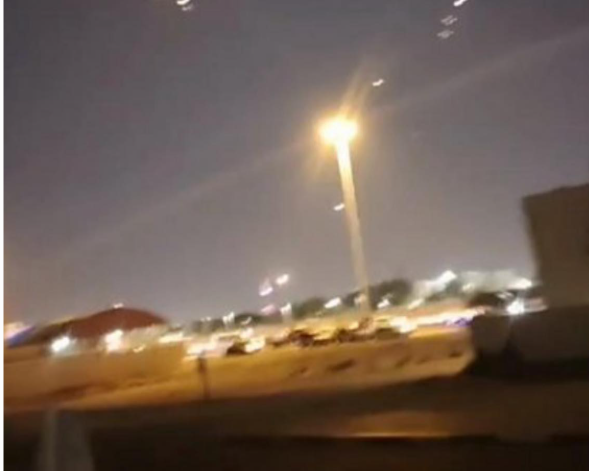
In a surprising revelation, The New York Times reported that Iran had issued a warning before launching a missile attack on the U.S. military base at Al Udeid in Qatar. The report cited three Iranian officials who said the purpose of the alert was to reduce human casualties and give all sides a chance to pull back.
The missile strike, which has sent shockwaves across the region, comes amid growing tension between Iran and the United States. Although no deaths were reported, the situation remains fragile and could lead to greater conflict in the Middle East, experts fear.
Qatar Responded Quickly to Iran’s Alert
Following Iran’s warning, Qatar acted fast and closed its airspace before the attack happened. This early move likely helped prevent injuries and protected civilians and infrastructure.
Qatar’s air defense systems were also on high alert. After the attack, Qatar claimed that its air defense intercepted the incoming missiles, preventing further damage.
The government of Qatar strongly condemned the missile attack and called for calm and peace in the region. It urged all parties involved to avoid further military actions.
U.S. and U.K. Warned Citizens in Advance
The United States and the United Kingdom, based on the advance warning and rising tensions, advised their citizens in the region to stay safe and alert. Travelers and residents in Qatar were told to avoid public places and follow updates from their embassies.
Later, the United Arab Emirates (UAE) also took a precautionary step by shutting down parts of its air routes, especially those connected to Doha and Dubai. This caused delays and cancellations of several commercial flights.
Airlines in the Gulf region began rerouting or grounding flights, impacting thousands of passengers. The fear of further missile attacks loomed large over airports and airlines alike.
Why Did Iran Warn First?
Iran’s warning before the missile attack is highly unusual. Countries do not usually inform targets ahead of a military strike. However, Iranian officials told The New York Times that the goal was to show control, not to cause panic or mass destruction.
Iran reportedly informed neighboring countries, including Qatar, about the impending strike. The hope was to limit human losses and give the U.S. a chance to back off from further actions.
Despite the warning, Iran also made clear that it sees the U.S. presence in the region as a threat. Iranian leaders have long criticized the American military footprint in the Gulf.
The Al Udeid Base: Why It Matters
The Al Udeid Air Base in Qatar is one of the most important U.S. military sites in the Middle East. It hosts thousands of U.S. troops and plays a key role in air operations across the region, including in Iraq, Syria, and Afghanistan.
A direct attack on this base, even with a warning, is seen as a major escalation in the already tense U.S.–Iran relationship. While the U.S. has not given full details of the attack or its response, it has called for “measured restraint.”
Security analysts say that Iran may be trying to send a strong political message while also avoiding an all-out war. “This was a dangerous move, but Iran’s warning may have saved lives,” said one Middle East expert.
Global Reactions and Growing Fears
The missile strike and the advance notice have sparked wider international reactions. Countries in Europe and Asia have called for calm and de-escalation of tensions.
Some leaders are now urging Iran and the United States to return to diplomatic talks. Many fear that continued strikes and warnings could lead to a full-scale regional war that could impact global oil prices and security.
Airlines, businesses, and governments across the Middle East are now on high alert, worried that this could be just the beginning.
What Happens Next?
The big question is: Will this attack lead to war or more diplomacy? U.S. and Iranian officials have remained tight-lipped since the event. Both sides appear to be testing limits, but neither seems ready to pull back entirely.
Experts say the warning from Iran shows a mix of aggression and caution. It could mean Iran wants to show strength without causing a war, or it may be preparing for future confrontations.
Either way, Qatar's quick response, including airspace closure and missile defense, likely played a key role in preventing tragedy.

Comments
0