
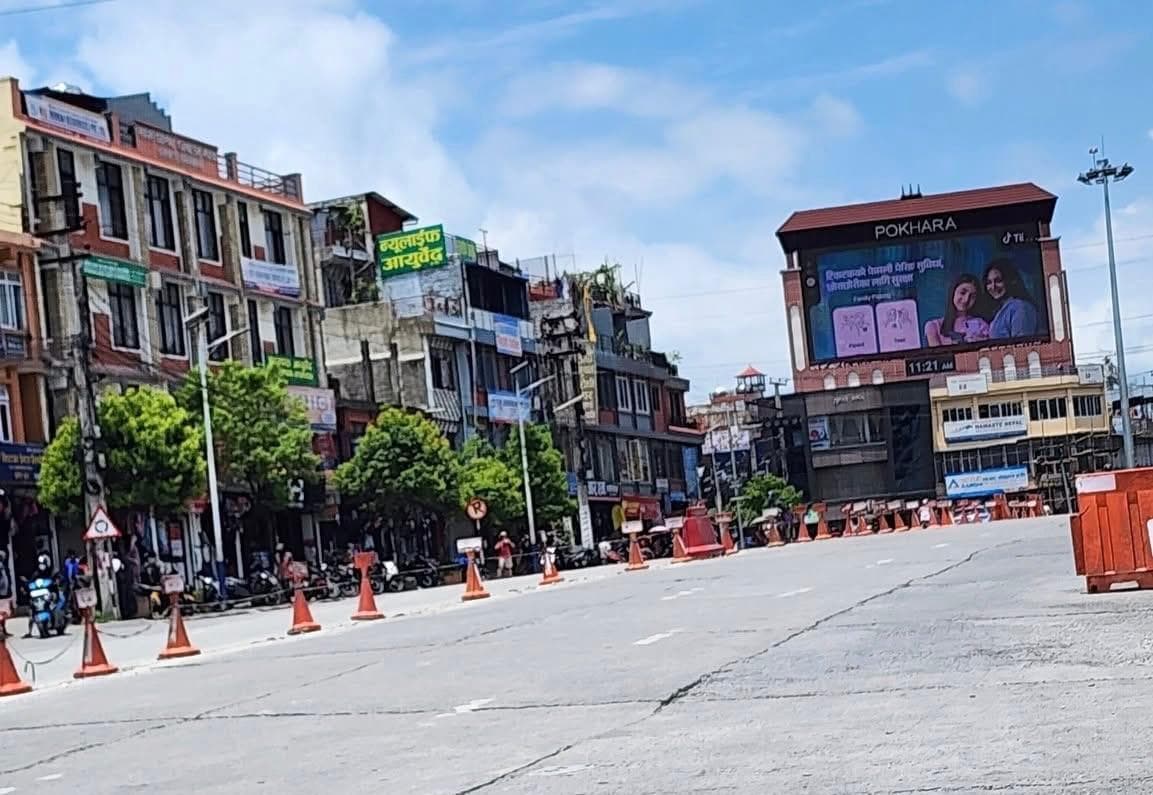
Gandaki’s roads are almost empty today. Why?
Imagine waking up to find that every bus, microbus, and public van in your city has suddenly stopped running. That’s exactly what happened this morning in Gandaki Province after the provincial government granted legal recognition to ride-sharing services like Pathao and InDrive. What should have been a step forward for innovation has instead brought public transportation to a standstill, leaving thousands stranded and raising an important question: is ride-sharing really a good thing?
The government’s decision to allow ride-sharing services came after months of public demand, especially from youth and working professionals who rely on apps for quicker, more flexible transport. Ride-sharing is seen by many as modern, efficient, and better suited for today’s fast-paced life. These services offer door-to-door pickups, real-time tracking, and digital payments conveniences that traditional public transport often fails to provide.
But not everyone is cheering. Traditional transport operators have launched a province-wide protest, saying they’re being pushed out of business. According to them, ride-sharing services don’t follow the same strict rules that buses and vans must obey. They pay fewer taxes, don't require large permits, and avoid union fees. For local drivers and owners, this feels unfair. They fear losing passengers and income, especially when ride-sharing offers cheaper prices and better service.
Today’s protest was no small act. Buses stopped running. School vans canceled routes. Microbus stations remained empty. Streets were filled with confused travelers, many of whom were late for work, school, or medical appointments. Taxis and bikes working under ride-sharing apps were outnumbered and overwhelmed. Social media exploded with both frustration and support some blamed the government for not preparing for the backlash, while others praised it for being bold enough to modernize.
So, is ride-sharing good or bad? The answer isn’t black or white. On one hand, it provides flexible, tech-friendly options that fit the lifestyle of many urban users. On the other hand, it shakes up the lives of traditional transport workers who depend on their daily rides to feed their families.
A balance may be needed. Regulation, fair competition, and gradual implementation could help both sides coexist. Until then, Gandaki’s streets remain quiet but tense, with the future of its transport system hanging in uncertainty.

Reader discussion
Comments
0