
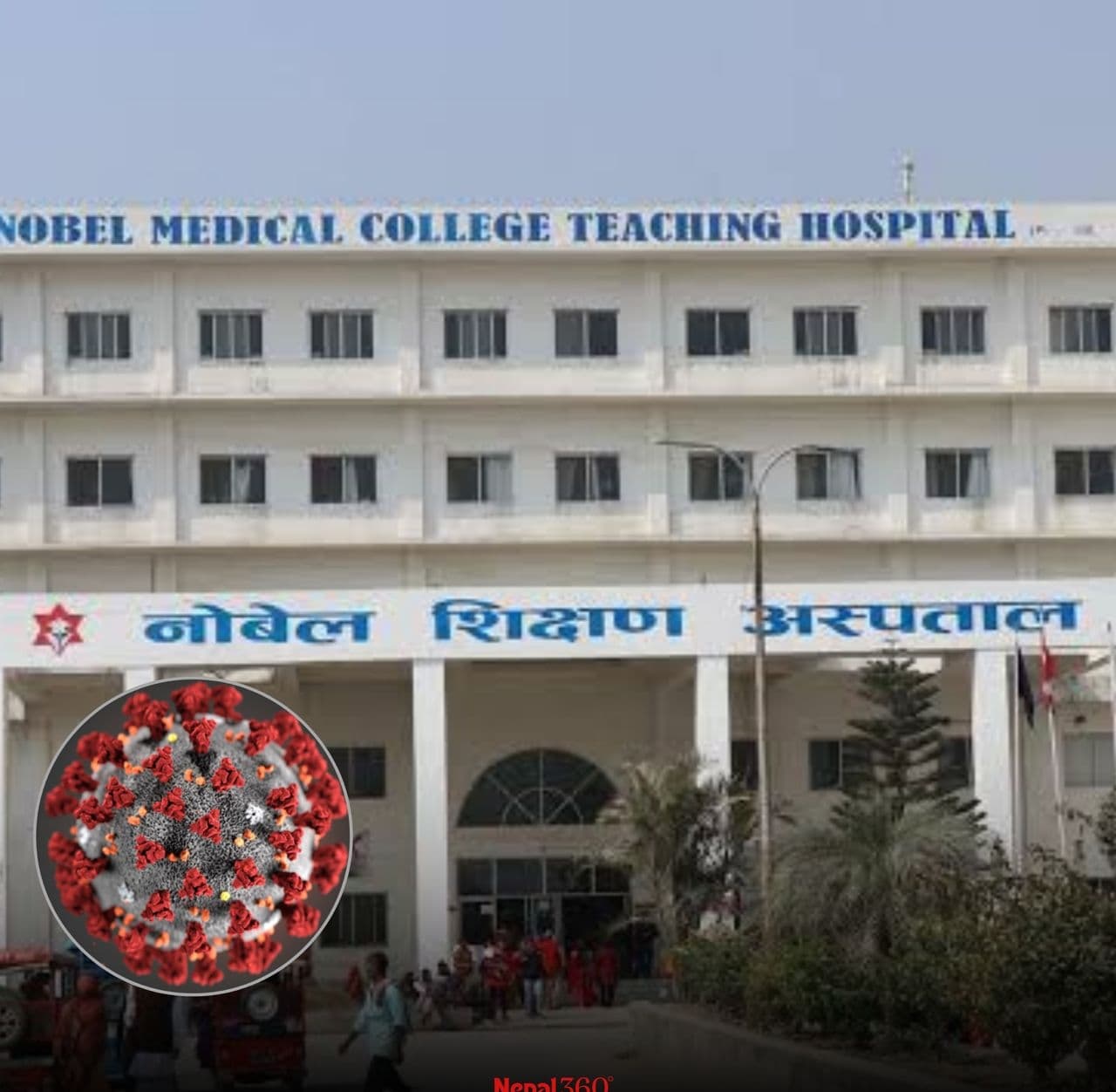
A sense of unease swept through Biratnagar this week as a local woman who had been fighting for her life against COVID-19 at Nobel Teaching Hospital passed away. The virus, which once brought the world to a standstill, has claimed yet another victim—reminding us all that it hasn’t disappeared and still holds the power to devastate.
Patient Admitted with Severe Symptoms
The woman, whose identity has not been disclosed due to privacy concerns, was admitted to Nobel Teaching Hospital with serious symptoms, including a high fever and difficulty in breathing. Doctors immediately recognized the severity of her condition. Initial tests for COVID-19 came back positive, and she was moved to the hospital’s intensive care unit (ICU) for specialized treatment.
Hospital staff reported that the patient was showing classic signs of COVID-19 infection. These included respiratory distress, low oxygen saturation levels, body aches, and unrelenting fever. Despite receiving around-the-clock medical attention and emergency care, her health continued to deteriorate.
Inside the ICU: A Battle for Life
Once inside the ICU, the patient was put on oxygen support and monitored closely by a team of doctors and nurses. As her breathing worsened, the hospital provided high-flow oxygen therapy and began antiviral medication in accordance with national health protocols.
Nobel Teaching Hospital is among the most trusted medical centers in the region and has handled numerous COVID-19 cases since the outbreak began. According to hospital sources, her condition was "unstable but being managed" during the first 24 hours. However, by the second day, the virus had affected multiple organs, leading to multi-organ complications. Despite medical interventions, her body stopped responding to treatment, and she passed away.
Health Authorities Alerted
Following her death, the hospital immediately notified local health authorities in Biratnagar. Officials from the Ministry of Health were quick to begin contact tracing procedures to identify people who may have come into close contact with the deceased. This includes family members, neighbors, and anyone who may have interacted with her before or during her hospital admission.
A health team has been deployed to her local area to test and monitor individuals who were in her proximity. Officials urge the public not to panic but to remain vigilant and report any COVID-like symptoms.
COVID-19 Symptoms Still Pose Serious Threat
The case highlights that even in 2025, COVID-19 remains a health concern in Nepal. While the number of cases has declined significantly due to vaccinations and natural immunity, the virus continues to infect vulnerable individuals, especially those with pre-existing health issues or weakened immune systems.
Common COVID-19 symptoms still include:
- Fever or chills
- Cough
- Shortness of breath or difficulty breathing
- Fatigue
- Body or muscle aches
- Loss of taste or smell
- Sore throat
- Headache
- Congestion or a runny nose
Medical professionals advise that anyone experiencing these symptoms should seek medical attention promptly, particularly if they worsen or don’t subside within a few days.
Public Asked to Stay Cautious
Health experts from the hospital and the local government are urging citizens to maintain basic health precautions like hand hygiene, wearing masks in crowded areas, and avoiding unnecessary gatherings, especially in indoor spaces.
Although widespread vaccination campaigns have curbed large-scale outbreaks, the virus has not been completely eradicated. Experts emphasize that the elderly, immunocompromised individuals, and those with chronic health issues are still at greater risk of severe illness or death from COVID-19.
No Room for Complacency
This incident has sparked renewed discussion on whether the public has become too complacent about COVID-19. Many people have let go of practices like wearing masks or regular hand sanitization, believing the threat has passed. But this tragic loss serves as a powerful reminder that the virus can still be deadly.
The local health department confirmed they are reviewing the circumstances of the death and considering whether additional safety measures should be implemented in public places and hospitals.
Community Mourning and Responsibility
Community members in Biratnagar expressed shock and sorrow over the woman’s death. “We thought COVID was behind us,” said one resident. “This makes us realize we still need to be careful, especially with elderly people and those with health conditions.”
Her death has also reignited conversations about the need for public awareness campaigns. Health authorities are considering ramping up messaging on television, radio, and social media platforms to remind people of ongoing COVID-19 protocols.
Hospitals Remain on High Alert
Following this case, Nobel Teaching Hospital has reinforced its infection control measures. Health staff are being re-briefed on safety protocols, and additional PPE (personal protective equipment) has been distributed to the COVID-19 treatment wing. New posters reminding people about COVID precautions have also been put up throughout the hospital premises.
Doctors at the hospital also mentioned the importance of early detection. “People often come to us only when their symptoms become unbearable. If we can catch the virus earlier, we stand a better chance of saving lives,” one senior physician noted.
Comments
0