
Escalating US-China Trade Tensions
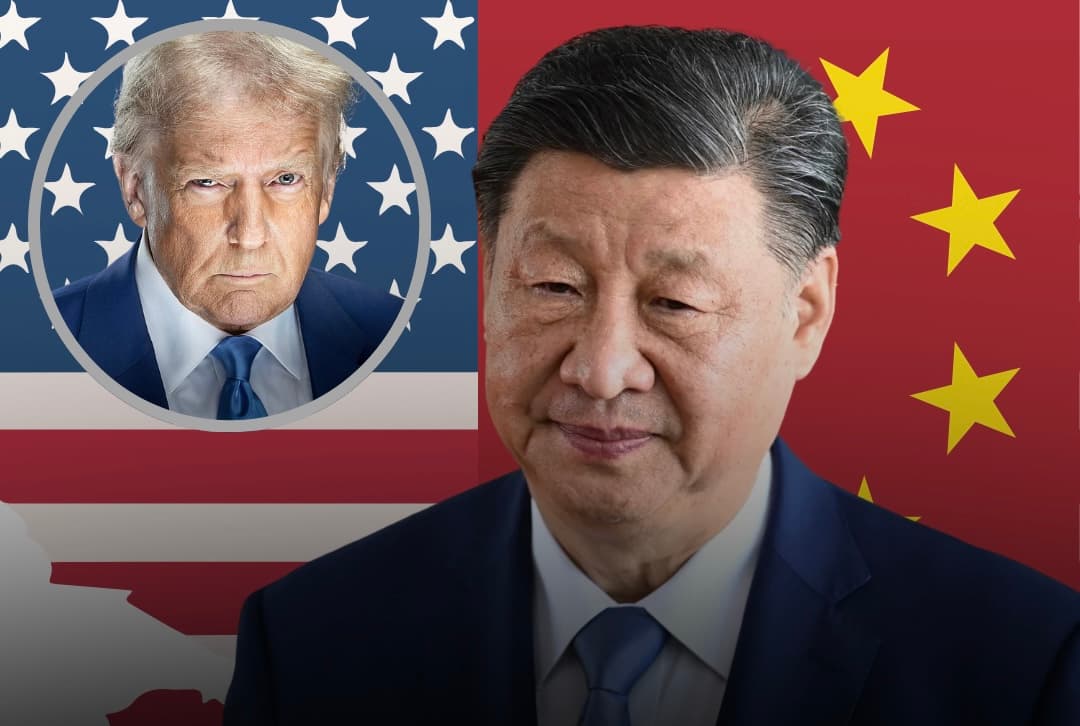
Chinese Premier Xi Jinping has issued a strong warning to the United States as former President Donald Trump prepares to impose tariffs on Chinese-manufactured goods. This move is expected to trigger a new wave of economic conflict between the two global superpowers, adding to already tense relations. The latest tariffs are anticipated to affect a significant portion of Chinese exports to the US, impacting industries on both sides of the Pacific.
 China Tariff
China Ready for Trade War
According to a recent report by the Daily Mail UK, Xi Jinping has declared that China is fully prepared to retaliate against any economic measures imposed by the US. His statement emphasizes that Beijing will not back down in the face of economic pressure, suggesting a strong response to Washington’s tariff policies.
The timing of Xi’s statement aligns with Trump’s push for stricter trade restrictions, a move he argues is necessary to protect American jobs and industries. However, experts warn that such tariffs could provoke countermeasures from China, potentially leading to a prolonged trade war that would disrupt global markets.
Impact on Global Trade
Trade analysts suggest that escalating tariffs between the US and China could have far-reaching consequences. Increased costs on imports could lead to higher prices for American consumers, while Chinese manufacturers may seek alternative markets to offset the decline in US demand. This shift could reshape global supply chains, forcing businesses to adapt to new trade dynamics.
Moreover, financial markets have already started responding to the renewed tensions, with fluctuations observed in stock indexes and currency valuations. The uncertainty surrounding trade policies could impact investor confidence, leading to economic instability.
Political and Economic Ramifications
Beyond economic repercussions, the escalating trade dispute could strain diplomatic relations between Washington and Beijing. Both nations have engaged in previous trade negotiations, yet a resolution remains elusive. If tensions continue to rise, it may lead to broader political confrontations beyond the economic sphere.
China’s strategy moving forward will likely include boosting domestic production, expanding trade partnerships with other countries, and leveraging its global economic influence. On the other hand, the US will continue to focus on policies aimed at reducing dependency on Chinese imports.
Conclusion
As the US moves forward with its latest tariff measures, China has made it clear that it will respond firmly. The potential trade war between the two economic giants remains a critical issue for global markets, policymakers, and businesses worldwide. Observers now await further developments as both nations navigate this complex economic and political standoff.


Reader discussion
Comments
0