
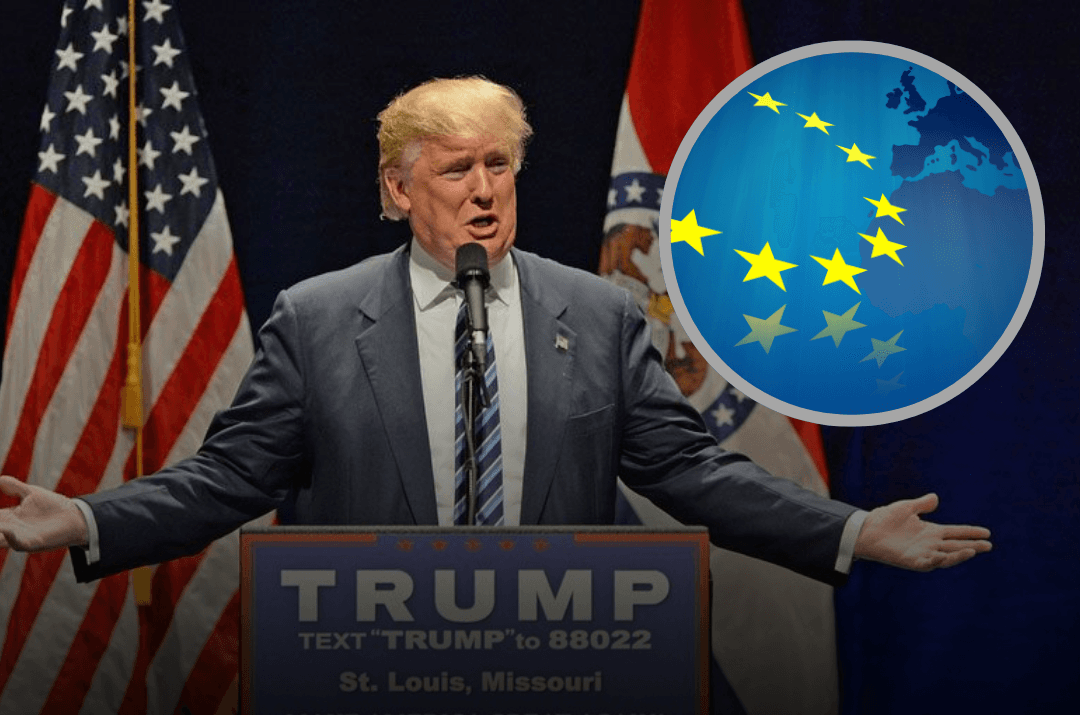
Trump Imposes 25% Tariffs on European Union Imports – Impact & Reactions
In a bold trade policy move, President Donald Trump has imposed a 25% tariff on imports from the European Union (EU), citing unfair trade practices and economic imbalances. This decision is expected to disrupt global markets, affect key industries, and potentially trigger retaliatory tariffs from Europe.
The tariffs aim to protect American industries and reduce the trade deficit with the EU, but they also raise concerns about higher consumer prices, business disruptions, and a possible U.S.-EU trade war. Here’s what you need to know about why these tariffs were imposed, how they impact businesses, and how the EU may respond.
Why Did Trump Impose 25% Tariffs on the EU?
1. U.S.-EU Trade Imbalance
The United States has a significant trade deficit with the EU, meaning it imports more goods from Europe than it exports. Trump argues that this imbalance harms American industries and that tariffs will level the playing field by making EU imports more expensive.
2. Unfair European Trade Policies
Trump has long criticized EU trade regulations, claiming that European subsidies make it difficult for American companies to compete fairly. Industries such as agriculture, steel, and automotive manufacturing have been heavily impacted by EU protectionist policies.
3. Protecting U.S. Jobs & Manufacturing
One of Trump's key economic goals is to boost domestic production and create more American jobs. By increasing tariffs, the administration hopes to encourage businesses to manufacture goods in the U.S. instead of relying on cheaper imports from Europe.
Impact of the 25% Tariffs on U.S. Businesses & Consumers
1. Higher Prices for U.S. Consumers
Since many American businesses rely on European products and materials, the tariffs could result in higher costs for everyday goods. Industries such as:
- Automobiles (imported parts from Germany, France, and Italy)
- Luxury goods (European fashion, wine, and cosmetics)
- Technology (electronics and machinery from the EU)
…may increase prices, leading to higher costs for consumers.
2. Economic Uncertainty & Market Volatility
Trade wars often lead to market instability, affecting investors, businesses, and global supply chains. If the EU retaliates, industries such as agriculture and manufacturing could face new financial risks.
3. Potential Business Layoffs
Companies that rely on European imports may struggle with higher operational costs, potentially leading to:
- Job losses in affected industries.
- Reduced investment in U.S. markets.
- Supply chain disruptions for businesses dependent on European goods.
How Will the European Union Respond?
The European Union has condemned the tariff announcement and is likely to take several countermeasures:
1. Retaliatory Tariffs on U.S. Products
The EU could impose its own tariffs on American exports, specifically targeting:
- U.S. agricultural products (soybeans, corn, and beef).
- Luxury goods (whiskey, bourbon, and clothing brands).
- Automobiles (Harley-Davidson and Tesla).
2. Legal Action at the WTO
The EU may file a formal complaint at the World Trade Organization (WTO), arguing that Trump's tariffs violate global trade agreements.
3. Diplomatic Negotiations
Rather than escalate tensions, some European leaders may push for trade talks with the U.S. to reach a new trade agreement that benefits both sides.
Industries That Will Benefit vs. Those That Will Suffer
✅ Industries That Benefit from Tariffs:
- U.S. Steel & Aluminum → Less competition from EU imports.
- American Agriculture → Protection against cheaper European products.
- Domestic Auto Manufacturing → Encourages buying American-made cars.
❌ Industries That Will Suffer:
- Automotive → Rising costs for imported European parts.
- Technology → Expensive supply chain disruptions.
- Retail & Luxury Goods → Price hikes on European brands.
Long-Term Impact of the U.S.-EU Trade War
If these tariffs remain in place, they could lead to:
- Long-term trade tensions between the U.S. and Europe.
- Reduced global economic growth as businesses struggle with rising costs.
- A shift in global trade alliances, with the EU potentially seeking closer ties with China.
The long-term effects will depend on how quickly trade negotiations occur and whether both sides can reach a new agreement.
Conclusion: What’s Next?
President Trump’s 25% tariff on European Union imports marks a significant escalation in U.S.-EU trade relations. While the move aims to protect American industries and jobs, it also brings risks of higher consumer prices, retaliatory tariffs, and increased global economic uncertainty.
What to Watch Next:
✅ How the European Union responds to the tariffs.
✅ Potential retaliatory tariffs on American goods.
✅ Whether the U.S. and EU enter new trade negotiations.
✅ The impact on global markets and U.S. industries.
As this situation develops, businesses and consumers will need to adapt to the changing trade landscape and prepare for potential economic shifts.


Reader discussion
Comments
0