
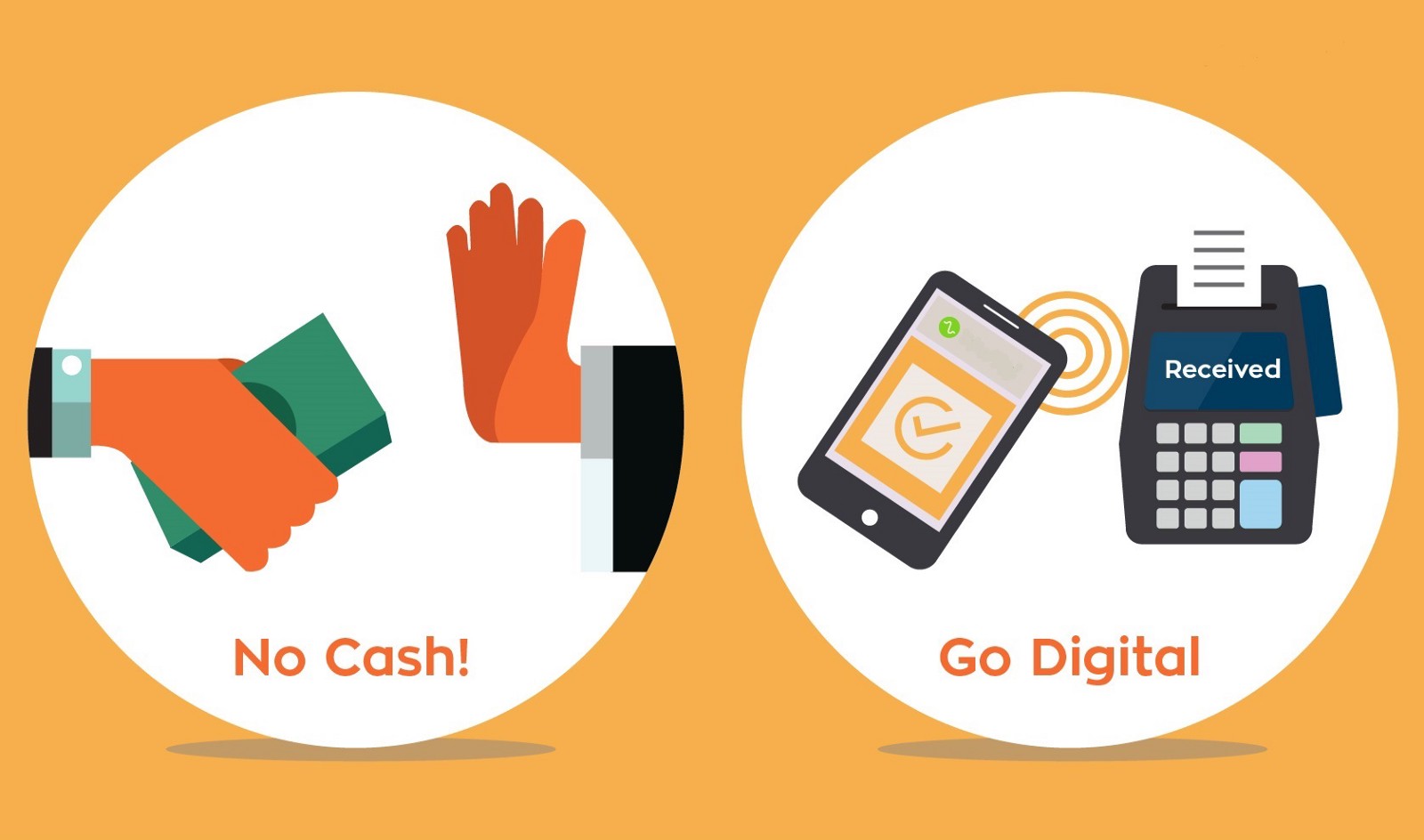
Say goodbye to cash! The government has rolled out a bold new regulation requiring all public institutions to switch to electronic payments. This means salaries, allowances, procurements, and grants will now be processed online. The goal? To wipe out cash transactions, streamline operations, and make every payment traceable. This move promises a cleaner, faster way to handle public funds, cutting down on paperwork and delays.
Why Go Digital?
The shift to electronic systems is all about efficiency and transparency. Cash transactions often lead to errors, delays, or even corruption. By moving payments online, the government aims to create a clear record of every transaction. This makes it easier to track public funds, ensuring they reach the right people and projects. Plus, digital payments can speed up processes, saving time for both institutions and citizens.
Challenges in Rural Areas
While the plan sounds promising, rural areas might hit some bumps. Limited internet access, lack of digital literacy, and fewer banking services could make it tough for some communities to adapt. Many rural workers may struggle with online systems, and small vendors might find it hard to receive payments digitally. The government is working on solutions, but these hurdles could slow down the transition in remote regions.
A Step Toward Progress
This regulation marks a big leap toward a digital economy. By embracing electronic payments, public institutions can set an example for others. While challenges remain, especially in rural areas, the push for a cashless system could transform how public funds are managed, paving the way for a more modern, accountable future.
Comments
0