
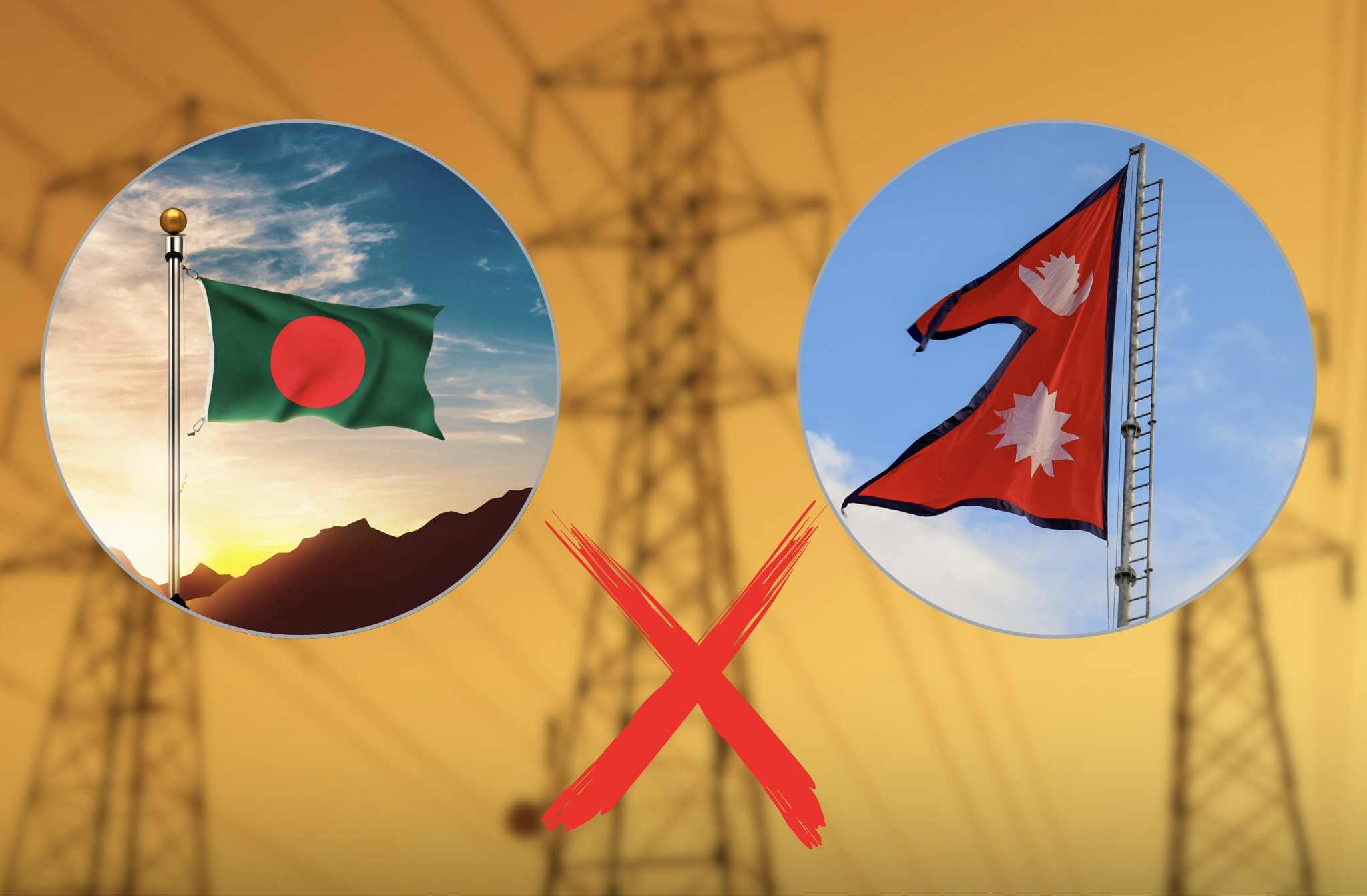
In a surprising turn, Bangladesh has decided to stop its plan to import 500 MW of electricity from Nepal’s Upper Karnali Hydropower Project. This decision affects a major deal with an Indian company called GMR, which was set to help produce and send the power. The move comes after Bangladesh paused agreements under its Special Power Act, creating uncertainty about future energy teamwork between the two countries. While Bangladesh still imports a smaller amount of 40 MW from Nepal through India’s power lines, this change raises big questions about what’s next for energy sharing in the region.
What Was the Plan?
Imagine you and your friends decide to share snacks, but you need a neighbor to pass them along. That’s kind of what Bangladesh, Nepal, and India were doing with electricity. Nepal has a big project called the Upper Karnali Hydropower Project, which can make 900 MW of power using water from rivers. Bangladesh wanted to buy 500 MW of that power to light up homes and run factories. India agreed to let the electricity travel through its wires to reach Bangladesh. The Indian company GMR was in charge of building the project and making sure the power was ready to send.
This plan was exciting because it would help Bangladesh get clean energy, which is better for the environment. It would also help Nepal earn money by selling electricity to another country. Plus, it showed how Nepal, India, and Bangladesh could work together to share energy, like good neighbors sharing toys.
Why Did Bangladesh Stop the Plan?
Bangladesh decided to pause this big electricity import plan because of its Special Power Act. This is a rulebook that helps the country decide how to buy and use power. Recently, Bangladesh said it’s putting some of these agreements on hold, which means they’re not moving forward with the 500 MW import from Nepal right now. Posts on X suggest that Bangladesh canceled the agreement because of concerns about how the deal was set up, but the exact reasons aren’t fully clear.
This decision is a big deal because it affects GMR, the company working on the Upper Karnali project. It also makes people wonder if Bangladesh and Nepal will keep working together on energy in the future. Right now, Bangladesh still gets 40 MW of electricity from Nepal through India’s power lines, which started in June 2025. This smaller amount is part of a different agreement that’s still active, but the bigger 500 MW plan is now stopped.
How Does This Affect Nepal and GMR?
For Nepal, this news is like getting a raincloud on a sunny day. The country has been working hard to make more electricity from water, called hydropower. Nepal already has over 3,500 MW of power and sometimes has extra during the rainy season. Selling electricity to Bangladesh was a chance to make money and grow its energy business. Now, with the 500 MW deal paused, Nepal might lose some of that opportunity, and it could slow down plans for more energy projects.
For GMR, the Indian company building the Upper Karnali project, this is a big setback. Think of GMR like a chef who spent a long time preparing a huge meal, only to find out the guests aren’t coming. The company has been working on the 900 MW project, and losing the Bangladesh deal means less money and more challenges to finish the project.
What About India’s Role?
India plays a key part in this story because the electricity from Nepal travels through India’s wires to reach Bangladesh. It’s like India is the bridge between the two countries. Even though the 500 MW plan is paused, the smaller 40 MW transfer is still happening through India’s power lines. This shows India is still helping, but the cancellation might make people wonder how India, Nepal, and Bangladesh will work together in the future.
What Does This Mean for the Future?
The pause in the 500 MW deal creates uncertainty, like not knowing if your favorite game will happen. Bangladesh wants to use more clean energy, aiming to import 9,000 MW from Nepal by 2040. But this decision might slow things down. It could also make Nepal and GMR think twice about big projects if deals can be paused.
For kids, think of it like this: Bangladesh, Nepal, and India were planning a big party with lots of electricity to share. Now, Bangladesh said, “Let’s wait,” so the party is smaller, and everyone’s wondering if they’ll plan another one later. The 40 MW they’re still sharing is like a small snack, but it’s not the big feast they hoped for.
Why Should We Care?
This news matters because electricity helps light homes, run schools, and keep factories working. When countries share electricity, it’s good for everyone—it saves money, helps the environment, and builds friendships. But when plans like this get paused, it can make things harder for people who need power. It also shows how tricky it can be for countries to work together, especially when rules like the Special Power Act change.
What’s Next?
For now, Bangladesh will keep importing 40 MW from Nepal, and everyone’s watching to see what happens next. Will Bangladesh restart the 500 MW plan? Will Nepal find other countries to buy its electricity? And how will GMR move forward with the Upper Karnali project? These are big questions, and only time will tell. For now, the energy teamwork between Nepal, Bangladesh, and India faces a bumpy road, but there’s still hope for more cooperation in the future.
Comments
0